


Modernism Design 101: Key Features in Architecture and Interiors

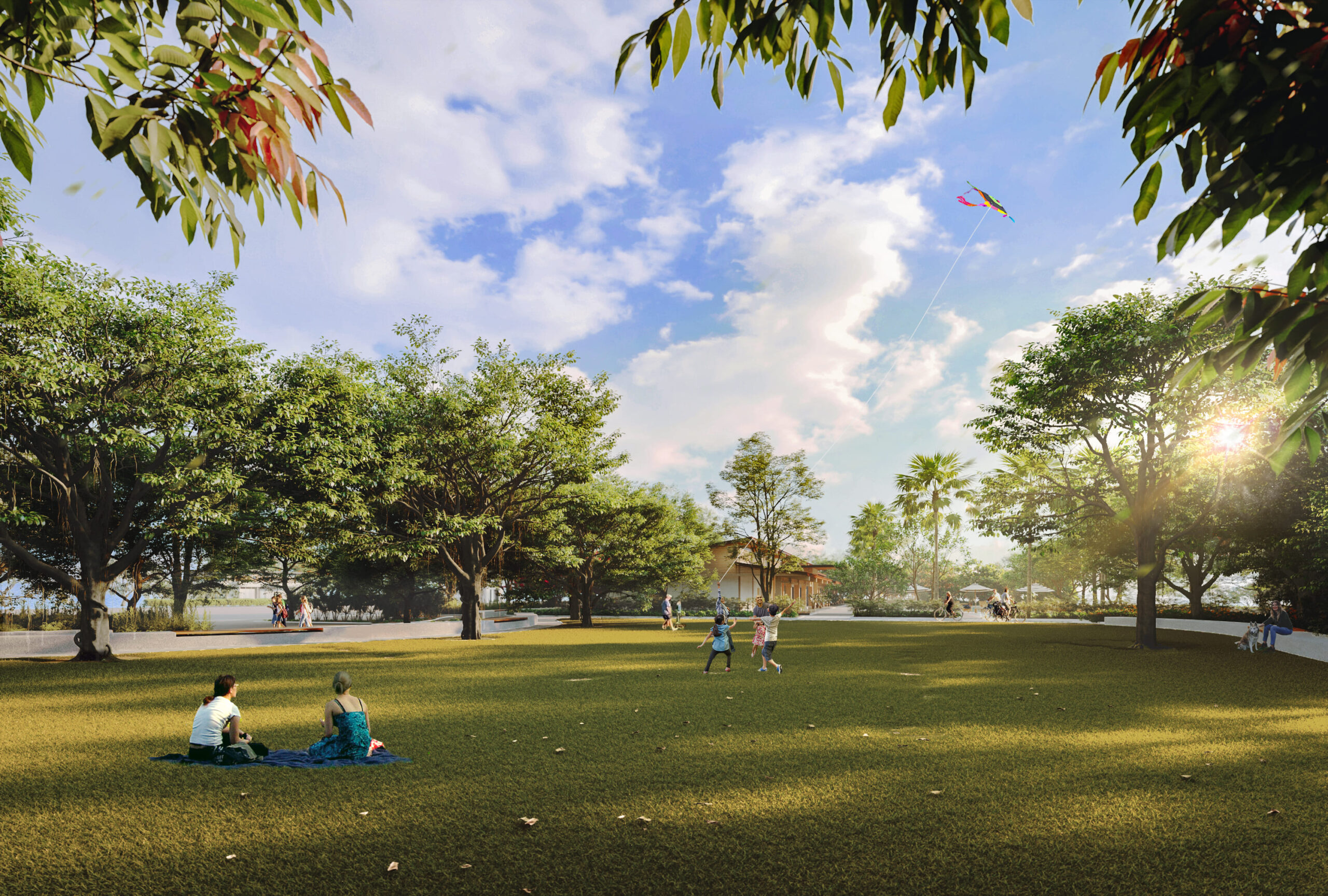
Modernist design fundamentally redefined how we see and experience space. Centered on simplicity, functionality, and a strong connection with nature, it values clean lines, open layouts, and materials that feel honest and purposeful.
Far from being a passing trend, modernism continues to shape the way homes and cities are built today. In the Philippines, many new developments, such as a condo for sale in Pasig, embrace this approach to create efficient and comfortable spaces perfectly suited for modern urban living.
This guide explores the features of modernist architecture and interiors, from open floor plans to minimalist aesthetics. You’ll also learn practical ways to apply modernist design principles to your home, combining timeless structure with the warmth and character of Filipino interior design.
What is Modernist Design?
Modernist design emerged in the early 20th century as a movement that rejected ornamentation and excess. Rooted in the principle of “form follows function,” modernism focuses on simplicity, efficiency, and the honest expression of materials.
Architects and designers like Le Corbusier, Walter Gropius, and Ludwig Mies van der Rohe pioneered the philosophy that good design should serve a purpose and look beautiful in its restraint.
In modern interiors, clean lines replace decorative moldings, and open floor plans replace compartmentalized layouts. Natural light, neutral tones, and functional furniture take center stage. It’s a design philosophy that feels timeless precisely because it values purpose over trend.
Modernism in the Philippine Context
Modernist design found fertile ground in the Philippines, where climate and culture naturally favor light, ventilation, and simplicity. Local architects—like National Artist Juan Nakpil—adapted modernism’s ideals to the tropics by prioritizing cross-ventilation, wide eaves, and shaded balconies that blur the line between indoor and outdoor spaces.
In today’s condominiums, these principles remain relevant. Filipino designers often pair modernism’s minimalism with the warmth of local craftsmanship—rattan furniture, abaca rugs, and capiz lighting—to create spaces that are both functional and full of soul. The result is a distinctly Filipino expression of modernism: simple, airy, and connected to nature.
Modernism vs. Minimalism: What’s the Difference?
Modernism and minimalism are often used interchangeably, but they have distinct philosophies and visual styles. Here’s how they differ:
Philosophical approach
Modernism centers on functionality and honesty, aiming to improve daily life through thoughtful design. Its emotional tone is warm and human, blending clean lines with natural elements to create an inviting and lived-in atmosphere.
Minimalism, on the other hand, values extreme restraint to achieve visual purity and quiet the mind through the philosophy of “less is more.” Its emotional tone tends to be cool and austere, emphasizing negative space and often resulting in a gallery-like or stark environment.
Design elements
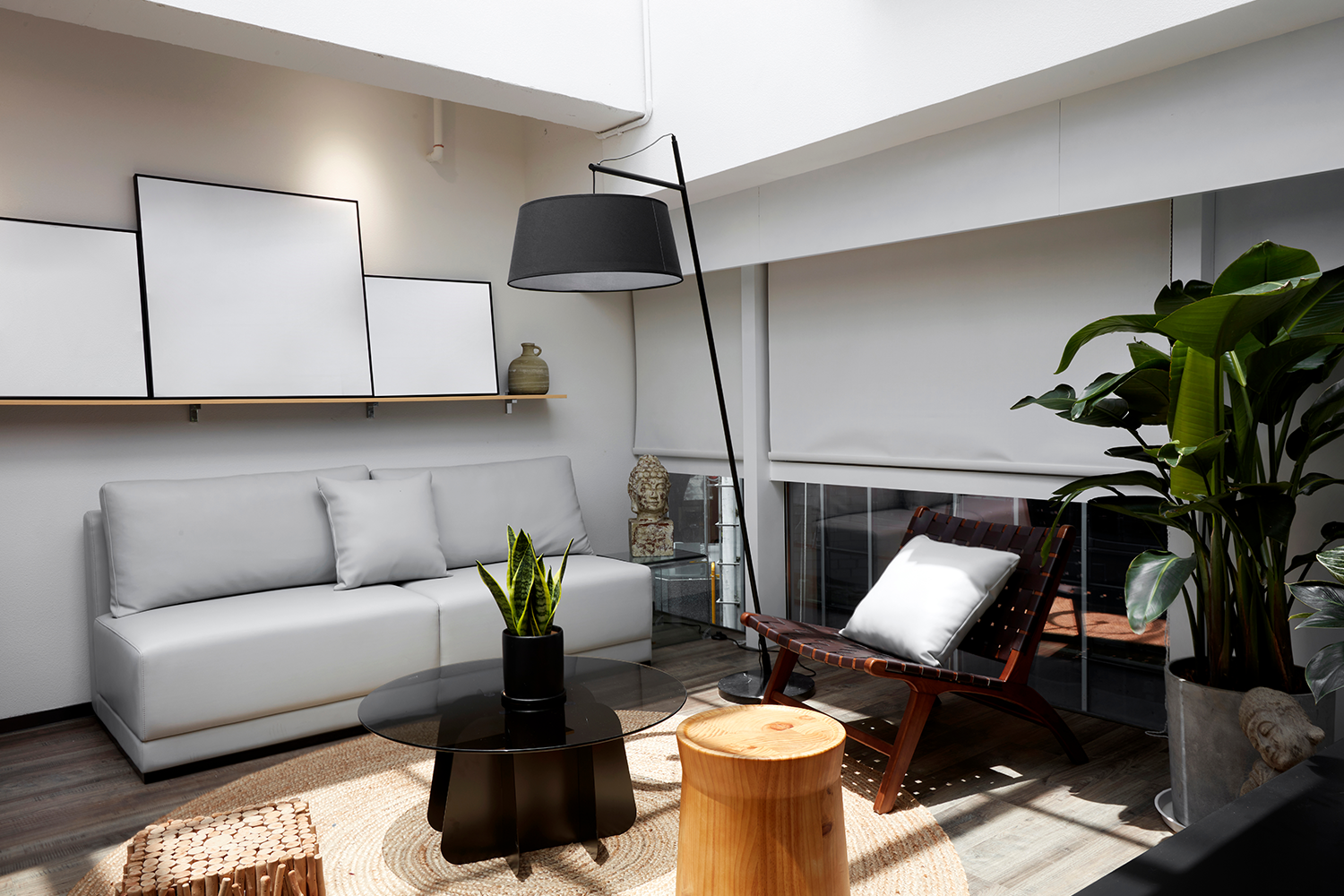
Modernism embraces an open and breathable layout that encourages natural movement and interaction between spaces. Its color palette includes a neutral base of whites and grays, complemented by warm accents such as wood tones, earth tones, and rich textures.
Materials are treated honestly and expressively, highlighting their natural qualities like wood grain, stone, and woven textiles. Décor in modernist spaces is functional and carefully chosen, featuring beautiful items that serve a clear purpose, such as statement lamps or plants.
In contrast, minimalism follows a highly disciplined approach where every element is rigorously curated, with emphasis on unadorned surfaces and clean lines. The color palette is primarily monochromatic, focusing on black, white, and various shades of gray, with any additional color used sparingly and deliberately.
Materials tend to be sleek and unbroken, favoring industrial finishes like polished concrete, glass, metal, and high-gloss surfaces. Minimalist décor is almost non-existent; the space itself becomes the art, with objects removed to achieve anti-clutter and maximum visual calm.
Both celebrate intentional, clutter-free design. The difference lies in tone: modernism feels lived-in and warm, while minimalism feels pure and serene.
5 Tips on Applying Modernist Design at Home
If you want to bring modernist design into your home or condo, start with these principles:
1. Simplify your layout
An open, breathable layout fosters a sense of spaciousness and invites natural movement throughout the room. Instead of pushing furniture flush against the walls, position pieces closer to the center or at thoughtful angles to create intimate conversation zones and clear pathways.
Selecting modular furniture enhances this approach, allowing you to effortlessly rearrange elements according to your changing preferences or activities. This adaptability optimizes the available space and supports a dynamic and inviting environment where flow and functionality harmonize seamlessly.
2. Let the light in
To enhance natural light within your space, prioritize installing large windows that invite abundant sunlight to fill the room. When window treatments are needed, choose sheer curtains that gently diffuse light rather than block it, allowing a soft and warm glow to permeate throughout.
Thoughtfully positioning mirrors on walls opposite or adjacent to windows helps bounce light deeper into the room, brightening darker corners and amplifying the overall sense of openness. Use mirrors sparingly and with intention to avoid overwhelming the space; even a few well-placed reflective surfaces can create the illusion of greater depth and volume, contributing to an airy, welcoming atmosphere.
3. Choose honest materials
Emphasize the intrinsic beauty found within natural materials by drawing attention to their unique characteristics. The gentle, organic patterns in wood grain bring warmth and a sense of history to a space, revealing the story of the tree it came from.
Concrete offers a raw, tactile texture that lends an industrial edge while maintaining a grounded, authentic presence. Meanwhile, the intricate weave of rattan showcases craftsmanship and adds a delicate yet earthy touch that complements a variety of interiors.
Modernist design celebrates these materials by embracing their true nature without disguising or altering them. Rather than covering surfaces with synthetic finishes or replicas, it honors the honest form and texture of each element, creating spaces that feel genuine, timeless, and connected to the natural world.
4. Keep your palette neutral
Begin by establishing a base color palette centered on whites, various shades of gray, and warm earth tones for your walls and primary furniture pieces. These colors provide a neutral and soothing backdrop that promotes a sense of calm and spaciousness.
However, relying solely on this restrained palette can risk a sterile or flat atmosphere. To counterbalance this, introduce layers of texture through the thoughtful use of natural textiles such as linen, wool, and cotton.
Soft cushions, woven throws, or textured rugs add depth and tactile interest, inviting comfort and warmth. Carefully selected accent pieces in complementary hues or subtle patterns further break up monotony without disrupting the overall harmony.
5. Add warmth with Filipino touches
Create a well-rounded aesthetic by balancing sleek, minimalist surfaces with carefully chosen handcrafted décor that adds personality and warmth. Smooth, clean lines of contemporary furniture and finishes provide a crisp, modern foundation, but integrating artisanal elements softens the space and invites a deeper connection.
Incorporate local artistry by including pieces such as abaca baskets, which showcase traditional weaving techniques; solihiya panels, featuring intricate rattan weaving that adds texture and cultural richness; or capiz pendant lamps, known for their delicate translucence that casts a warm, inviting glow.
These handcrafted items carry stories of craftsmanship and heritage, grounding the modern structure in a sense of place and tradition.
The Beauty of Bare Essentials
Modernism is the ease of walking barefoot on cool tile floors, the calmness of sunlight diffused through linen curtains, and the quiet satisfaction of a clutter-free home. For Filipino families seeking simplicity and intentional living, these design principles align beautifully with our core values of practicality, adaptability, and deep connection with nature.
At The Grand Midori Ortigas—an elegant condominium by Federal Land—these ideas come to life. Designed to reflect modern Zen living, its spaces perfectly balance form and function.
In a fast-paced world, living the modernist way means creating a home that’s simple yet soulful. It’s proof that timeless design will always feel right at home in the Philippines.
Contact Federal Land today to learn more about available properties and upcoming developments.
FAQs
Learn how you can further elevate your space by checking out the frequently asked questions below:
1. What is modernist design in architecture and interiors?
Modernist design values simplicity, functionality, and open space. It eliminates excess ornamentation and emphasizes clean lines, natural light, and materials like glass, concrete, and steel, where form follows function.
2. How did modernist design start?
Modernism began in the early 20th century as a response to ornate architecture. Influenced by Bauhaus and the International Style, it focused on practicality, structure, and material honesty.
3. How is modernist design applied in Filipino interiors?
Modernist design in Filipino homes adapts to tropical living through open layouts, large windows for ventilation, and natural materials like rattan and wood for warmth and function.
4. What are the key features of modernist homes?
Modernist homes use open layouts, neutral palettes, and minimalist décor. They prioritize natural light, multi-functional furniture, and seamless indoor-outdoor integration.
5. How can I apply modernist design in my condo?
Start by decluttering and using clean-lined furniture. Add mirrors to enhance light, choose neutral or earthy tones, and layer natural textures like wood or rattan for balance.
6. Where can I find condos inspired by modernist design?
Developments like The Grand Midori Ortigas in Pasig reflect modernist principles of form and function. Explore more projects by Federal Land, a leading real estate developer in the Philippines.

Head of Corporate Communications
Gizelle is a marketing and communications professional with extensive experience in the real estate industry, specializing in brand strategy, marketing communications, corporate communications, and integrated campaigns. She has built her career working across brand development, strategic communications, public relations, systems development, and marketing, with experience spanning both corporate and consumer-facing initiatives.
At Federal Land, Gizelle leads the Corporate Communications Department handling the company’s diverse portfolio, helping shape the narratives and experiences behind some of its most notable developments.
linkedinINQUIRE NOW
Let us know what you are looking for. Get updated portfolio delivered straight to your inbox.