


7 Filipino Indigenous Materials to Incorporate in Your Home

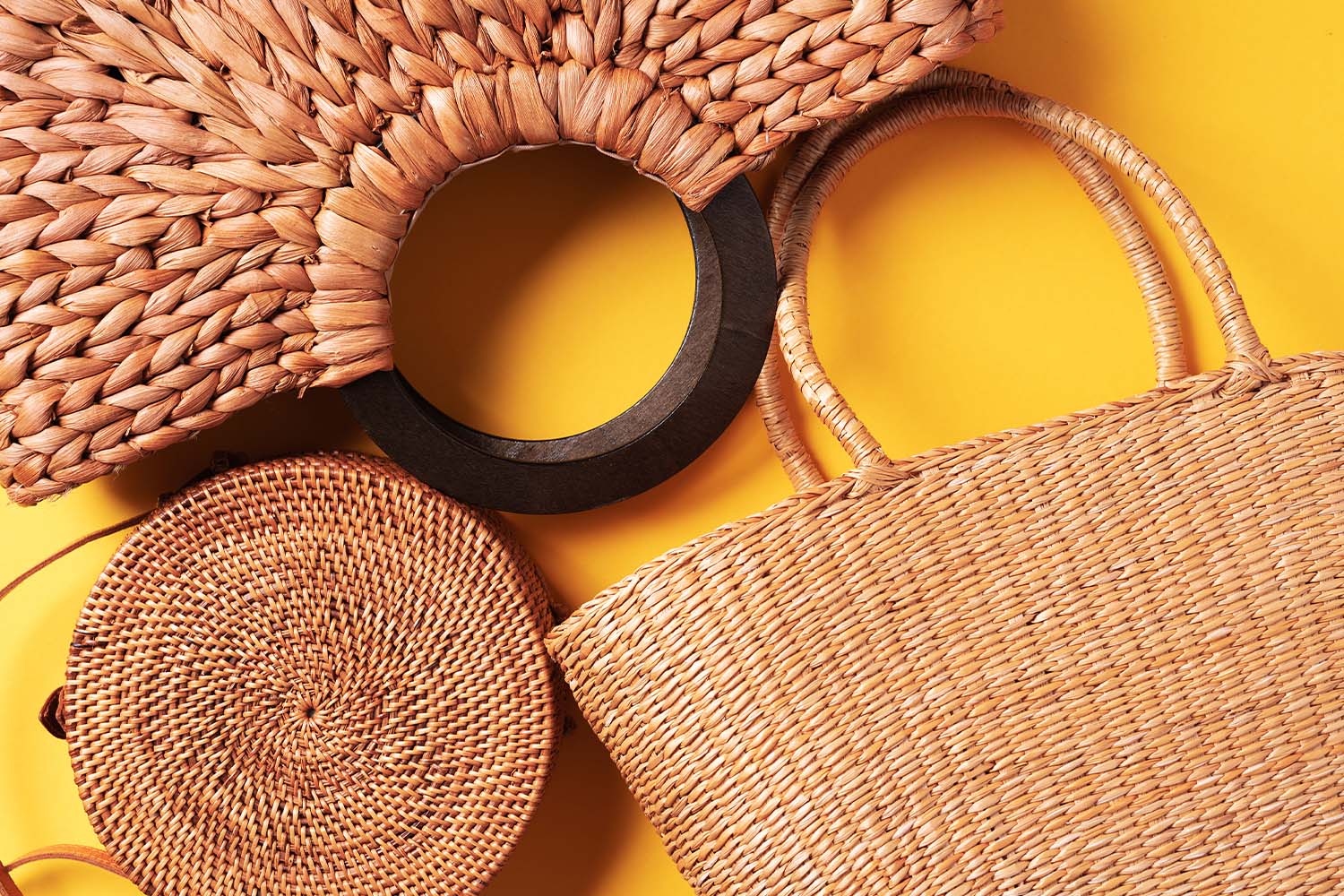
Design is more than looks. With proper design techniques, you can create a home that reflects your unique personality and heritage. In the Philippines, indigenous materials offer a rich connection to your roots, blending tradition with function in ways that feel fresh and relevant today.
Filipino materials tell our story. Choosing local supports local craftsmanship, promotes sustainability, and gives your home an unmistakable sense of place.
In this guide, you’ll discover native materials you can incorporate into your home and how to use them in ways that feel both timeless and modern.
Indigenous Materials in the Philippines to Consider in Your Design Projects
You don’t have to look far to find design materials that are both beautiful and functional, and proudly Filipino. The Philippines is rich in indigenous resources that are used to build homes, craft furniture, and shape our unique design language, from the mountains to the coasts.
Below are some of the most iconic native materials you can use to bring warmth, sustainability, and a sense of Filipino identity into your space.
1. Abaca
Referred to as Manila hemp, abaca is a strong fiber derived from the Musa textilis banana plant species native to the Philippines. Cultivated mainly in Bicol and parts of Mindanao, the material is renowned for its durability, natural sheen, and biodegradable properties.
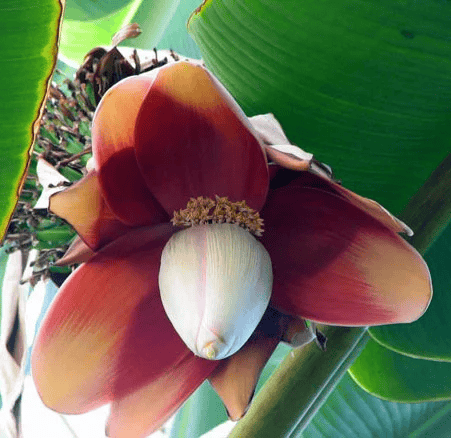
Image from Britannica
In interior design, Filipinos use abaca for wall coverings, placemats, upholstery, and woven light fixtures. Its warm, earthy tones add texture to minimalist and tropical-inspired spaces, while its strength makes it suitable for high-traffic areas, such as entryways or dining rooms.
2. Rattan
Rattan is a climbing palm native to the Philippines, especially abundant in Mindanao. Lightweight yet sturdy, it’s long been used in baskets and furniture.
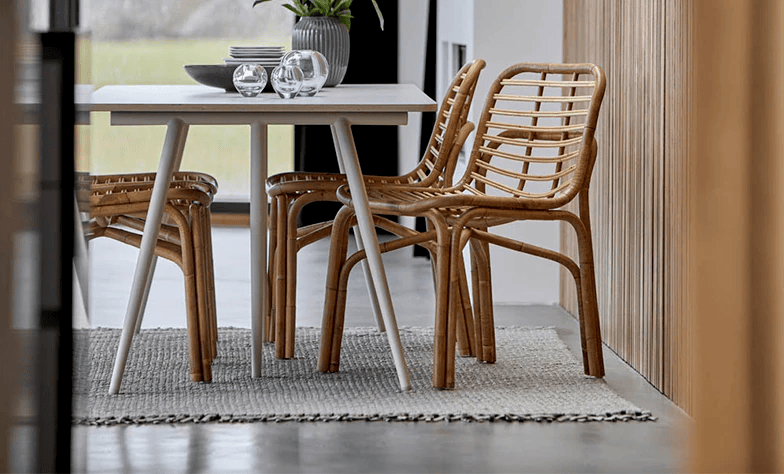
Image from Cane-line
Today, it’s a go-to material for chairs, headboards, lighting, and shelves thanks to its flexibility and natural charm that suits classic and modern interiors.
3. Capiz
Capiz shells come from the Placuna placenta oyster, found in the coastal waters of Capiz and other parts of the Visayas. They’re known for their translucent, pearl-like quality, which makes them an elegant choice for lighting and window treatments.
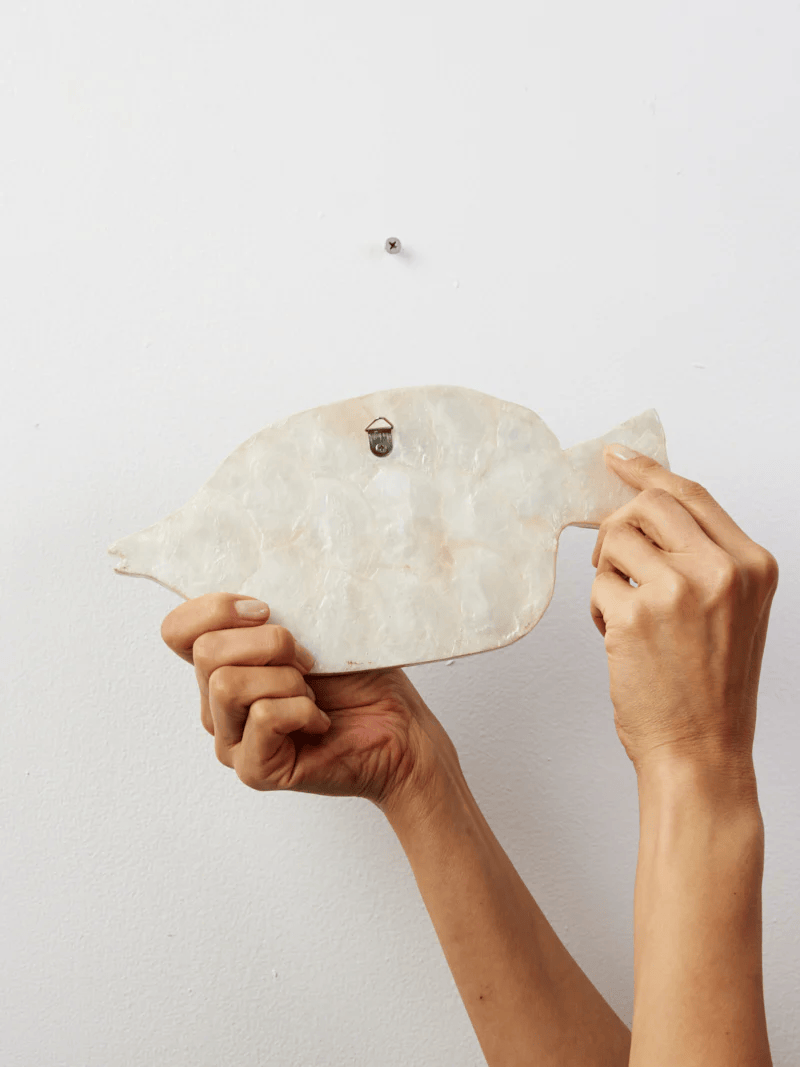
Image from Jones & Co.
Most Filipino designers and producers utilize Capiz lamps, chandeliers, wall panels, and decorative trays. It filters light beautifully, creating a soft, ambient glow. Its delicate look belies its durability, making it a favorite for adding a touch of coastal sophistication to homes.
4. Narra
Narra is a hardwood tree native to Southeast Asia and the national tree of the Philippines, highly valued for its reddish-brown hue, resistance to termites, and natural luster. Many use it in traditional Filipino furniture, flooring, and paneling, bringing a sense of richness and history to any space.
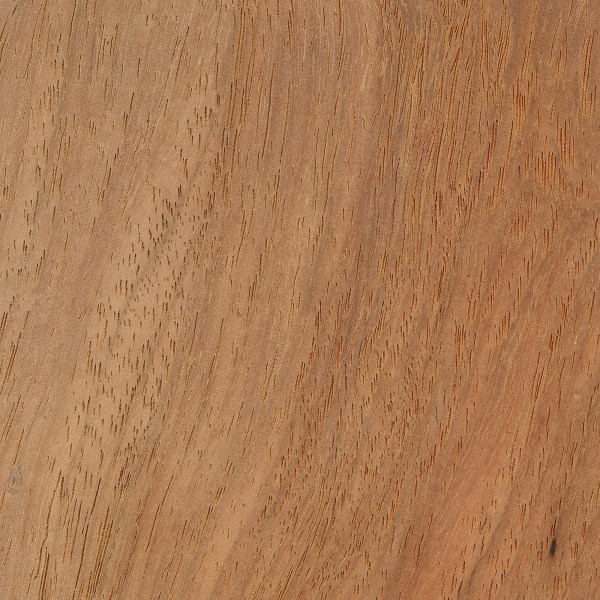
Image from The Wood Database
Though more expensive and more complicated to source due to logging restrictions, reclaimed or sustainably sourced narra can add elegance and cultural depth to your interiors.
5. Bamboo
Bamboo is one of the most sustainable building materials in the world, and it grows abundantly throughout the Philippines. Its fast-growing nature and minimal environmental impact make it a favorite among eco-conscious designers.
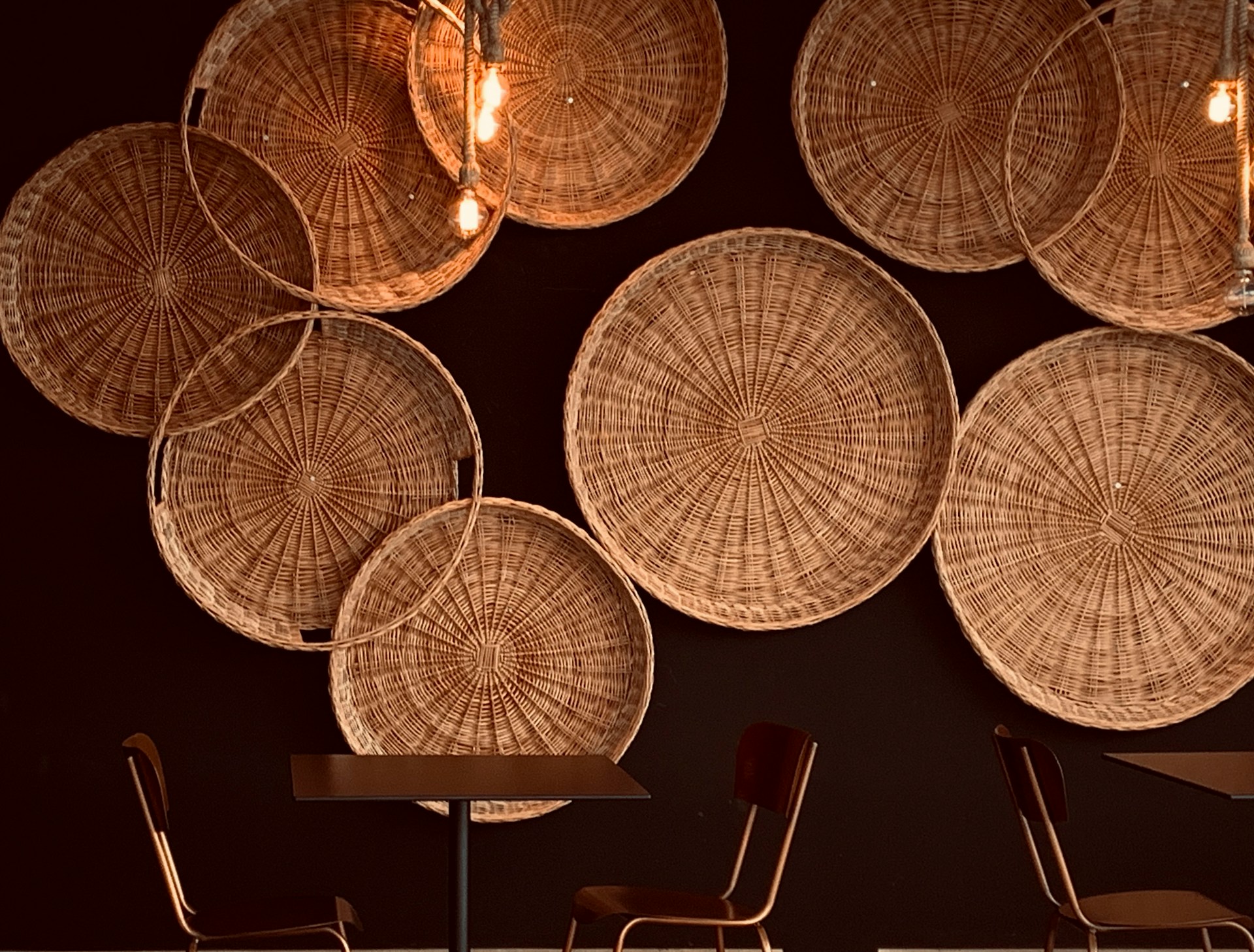
Image from Unsplash
In Filipino homes, bamboo is the go-to for flooring, partitions, ceiling treatments, and even furniture. Its light color and clean lines complement minimalist interiors, while its natural strength lends well to both decorative and structural uses. When appropriately treated, bamboo is both pest-resistant and long-lasting.
6. Solihiya
Solihiya is a type of rattan weave pattern often used in classic Filipino furniture, such as butaka and silla chairs. This iconic open-weave design not only provides ventilation, which is ideal for our humid climate, but also adds a distinct visual texture that’s uniquely Filipino.
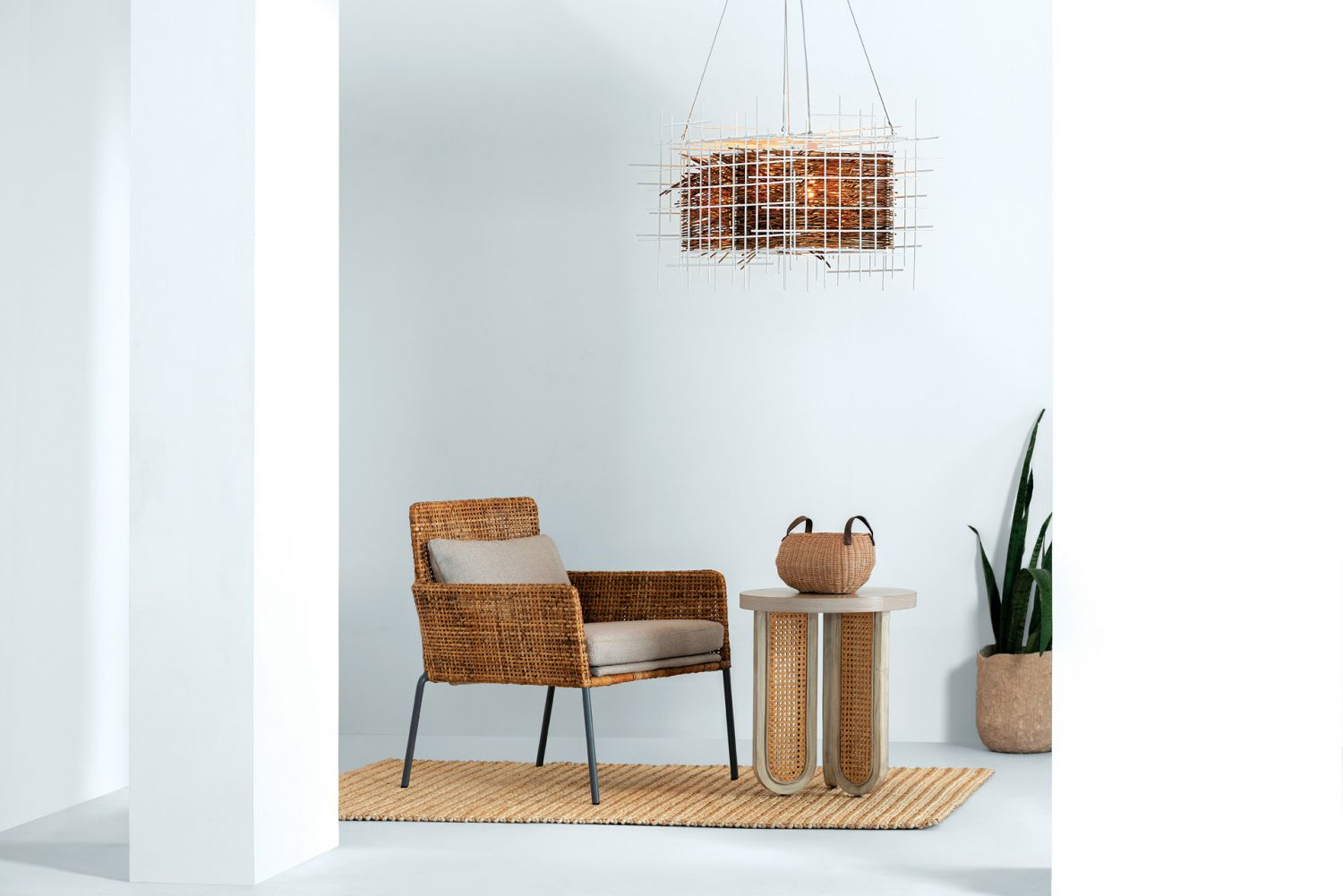
Image from Tatler Asia
Solihiya works well in chair backs, cabinet doors, headboards, and even framed as wall décor. It bridges the old and new, creating modern reinterpretations of heritage furniture.
7. Pandan
Pandan leaves are great for creating weaving mats, bags, and home accessories. While more commonly associated with rural handicrafts, pandan has found its place in modern Filipino interior design through items like woven storage bins, placemats, and even accent wall panels.
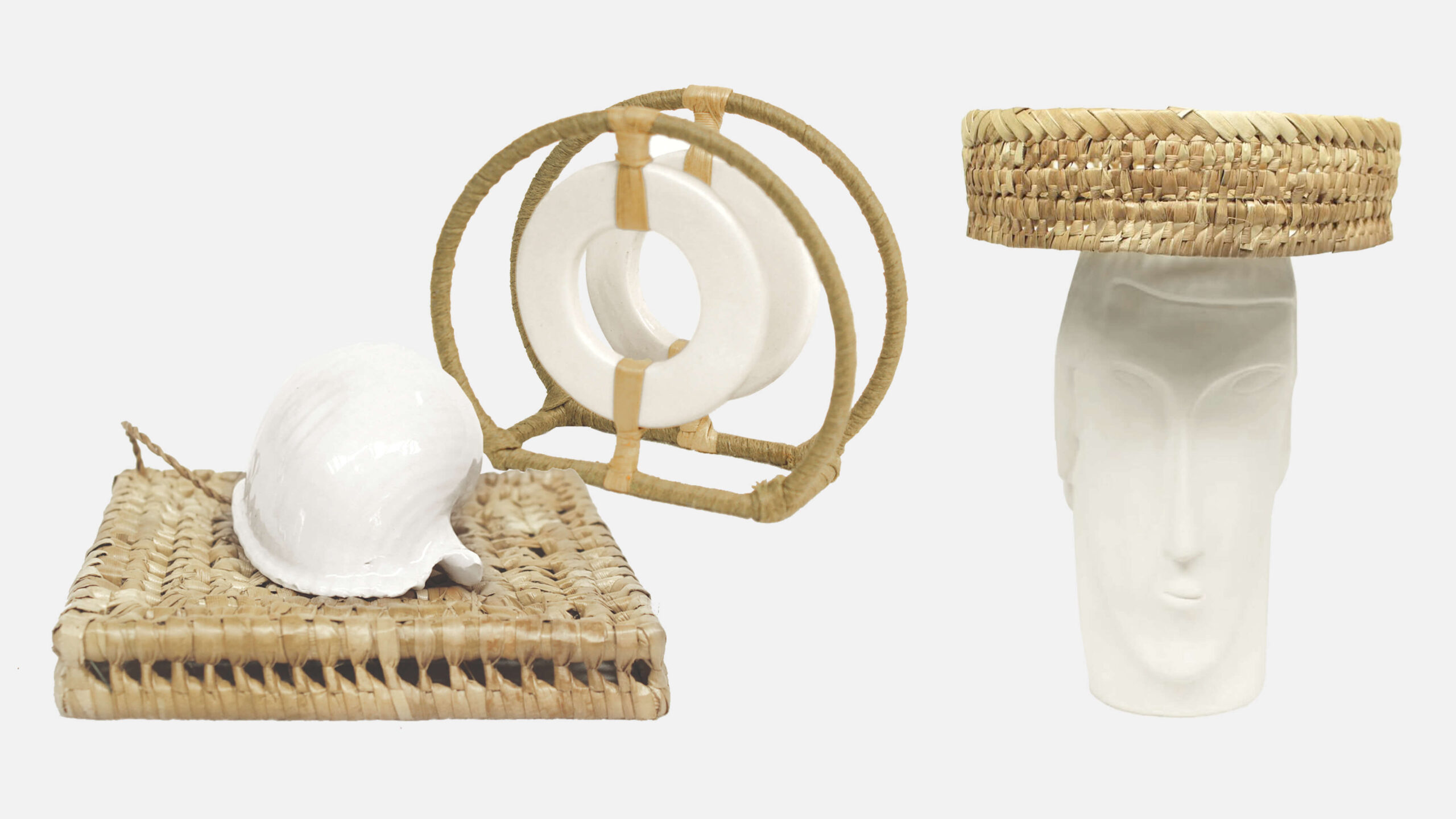
Image from Manila FAME
It’s lightweight and naturally aromatic when fresh. In interiors, it adds a layer of handmade authenticity and texture, especially when used in coastal or tropical-inspired themes.
Homegrown Beauty in Design
Incorporating Filipino indigenous materials into your home is more than a design philosophy; it’s a way to celebrate culture, craftsmanship, and sustainability. Each element tells a story of who we are and how we live.
If you’re looking for a condominium in Quezon City that embraces both tradition and modernity, consider Valencia Hills Tower E by Federal Land. This pre-selling condo with thoughtfully curated amenities offers a quaint and elegant lifestyle in the heart of the city.
Discover how Federal Land can help you create a home that reflects your roots. Explore our page and properties today.
Filipino Indigenous Materials: FAQs
Here are the answers to some common questions about Filipino indigenous materials.
Why use indigenous materials in home design?
They add natural beauty, support local artisans, and reflect Filipino culture. These materials also help create a warm, personal space with a strong sense of identity.
What are the most popular indigenous materials in the Philippines?
Commonly used materials include abaca, rattan, capiz, narra, bamboo, solihiya, and pandan, all of which are known for their durability, texture, and local roots.
How can I integrate these materials into a modern home?
Use them in furniture, lighting, wall accents, or décor pieces. Mixing them with neutral colors and clean lines keeps the look fresh and contemporary.
Are indigenous materials sustainable and eco-friendly?
Yes, most are renewable, biodegradable, and locally sourced. They’re a wise choice for eco-conscious design.
Where can I source authentic Filipino materials for interiors?
You can find them in local markets, artisan fairs, specialty home stores, or by connecting with Filipino craft communities online or through social media platforms.

Head of Corporate Communications
Gizelle is a marketing and communications professional with extensive experience in the real estate industry, specializing in brand strategy, marketing communications, corporate communications, and integrated campaigns. She has built her career working across brand development, strategic communications, public relations, systems development, and marketing, with experience spanning both corporate and consumer-facing initiatives.
At Federal Land, Gizelle leads the Corporate Communications Department handling the company’s diverse portfolio, helping shape the narratives and experiences behind some of its most notable developments.
linkedinINQUIRE NOW
Let us know what you are looking for. Get updated portfolio delivered straight to your inbox.