


Is 2026 the Right Time to Buy Property?


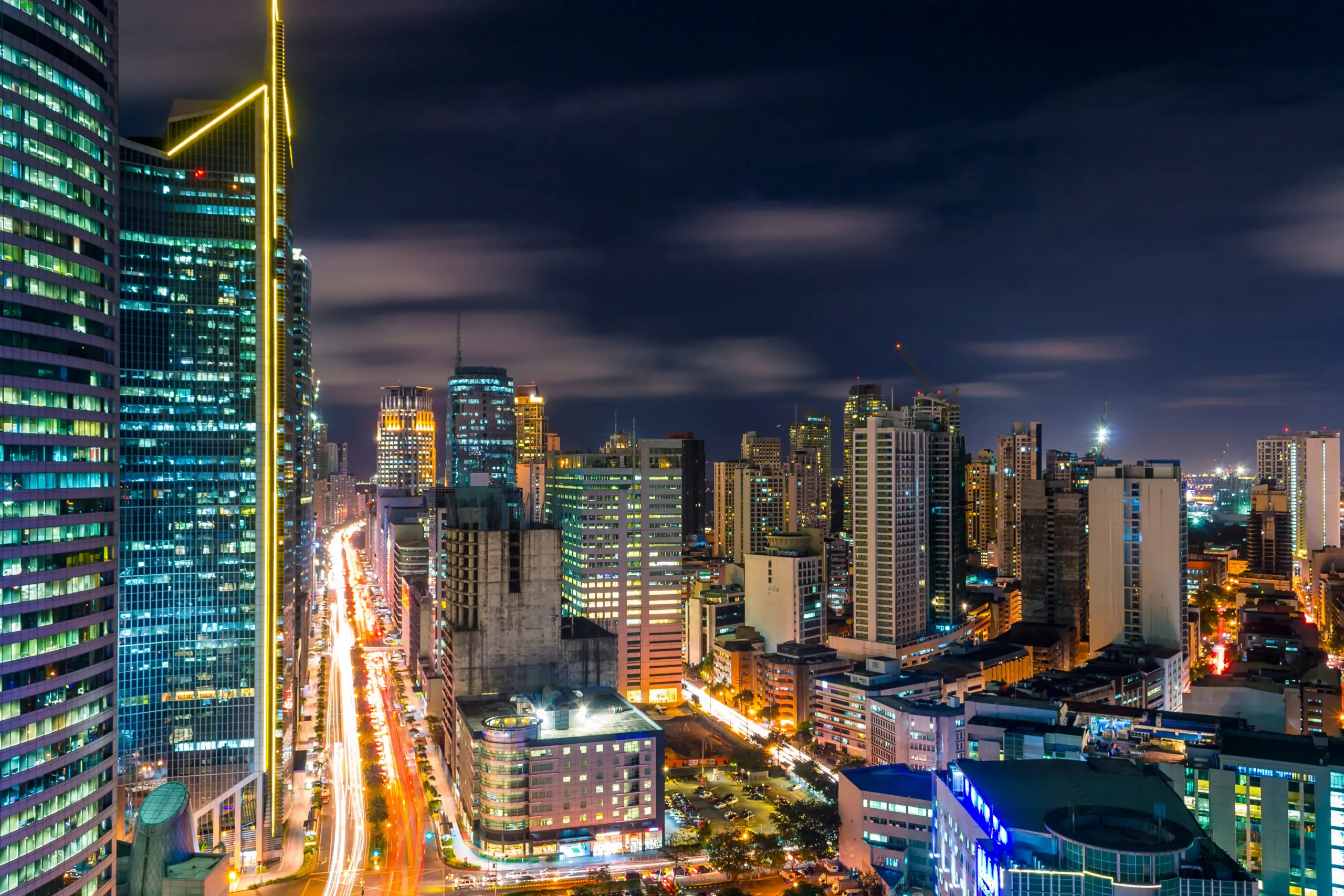
If you’ve been waiting for the right moment to enter the real estate market, 2026 offers a solid window of opportunity. After years of adjustment, the Philippine property sector has regained its footing. In fact, land values in Makati are around ₱940,000 per sqm as of late 2024, slightly easing by 2.82% quarter-on-quarter.
Developers are also recording stronger reservation sales, particularly in pre-selling condos across fast-growing urban hubs like Pasig and Alabang. Investors during the uncertain years from 2020 to 2023 are now realizing capital gains of 10–15%, reinforcing the idea that patience pays off when buying property. With inflation easing and BSP holding rates steady, 2026 is set for confident, well-timed moves in Philippine real estate.
This blog helps you assess whether now is the right time to start your property investment journey.
Why 2026 Still Looks Promising for Real Estate Investment
After years of market recalibration, the Philippine property sector is regaining momentum. Here are economic and lifestyle trends that make 2026 a strong year for real estate investment:
Steady market growth
Despite inflation and rate shifts, real estate remains one of the Philippines’ most resilient assets. Cushman & Wakefield’s MarketBeat Q2 2025 report shows steady demand in Metro Manila and nearby cities. Condo sales climbed around 8% year-on-year.
Meanwhile, prime and Grade-A office rents in Metro Manila’s CBDs rose 0.5% quarter-on-quarter to ₱1,118 per sqm/month, improving vacancy rates to 10.5%.
These indicators reflect a stable recovery across both residential and commercial sectors. Developers report consistent reservation sales fueled by flexible payment terms and growing demand from middle-income buyers seeking long-term stability.
Confidence driven by lifestyle shifts
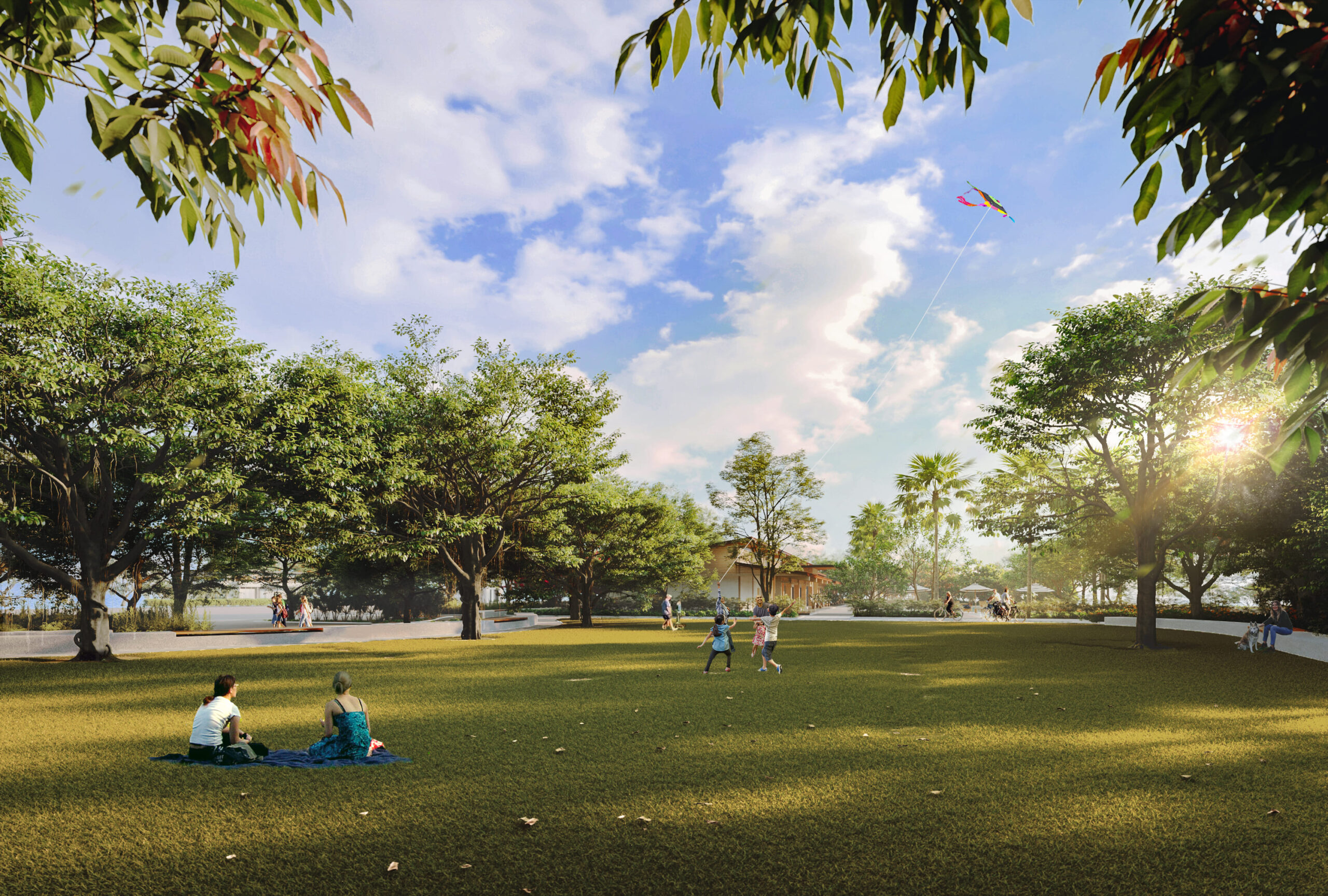
Investor confidence has returned because of economic recovery and lifestyle shifts. Hybrid work is driving demand for walkable, mixed-use communities that blend living, working, and leisure. Developers are now also focusing on integrated amenities, coworking hubs, gyms, and green spaces, which make properties both livable and profitable for real estate investors.
Expanding growth corridors
Unlike stocks, property values are not as volatile and are a more reliable store of value than the so-called “investments of passion,” such as collectibles, jewelry, and the like.
Beyond major CBDs, areas like Cavite, Bulacan, and Pampanga are gaining momentum. Infrastructure projects like the North–South Commuter Railway (NSCR) and Cavite–Laguna Expressway (CALAX) are set to shorten travel times and boost property values across these regions.
The economic ripple effect
Real estate remains one of the most resilient drivers of economic activity. As demand rebounds, investors with available capital are seizing the chance to buy while prices remain relatively low. Beyond personal gain, every property investment fuels a wider economic ripple—creating jobs, stimulating construction, and supporting local businesses that, in turn, reinforce continued market growth.
Real estate as a driver of growth
At its core, an active real estate industry generates taxes for the government and jobs for the community. The shift toward township and integrated developments also promotes sustainable consumption. They transform idle land into vibrant spaces for commerce and daily life, significantly boosting the national GDP.
Is 2026 a Good Time to Buy Property in the Philippines?
Yes, 2026 is shaping up to be a favorable time to invest in Philippine real estate. Despite inflationary pressures, the property market remains steady, and investor confidence is rising.
Sustained demand and market stability
Real estate remains one of the most stable long-term investments in the country. Ongoing urban migration, infrastructure rollouts, and the government’s 2.2-million-unit housing backlog are sustaining high demand.
With low interest rates and flexible financing, 2026 offers buyers and investors a chance to lock in value early through pre-selling projects with longer equity terms and lower down payments. Developers now compete not just on price but on value—bundled promos, smart home features, and quality property management enhance convenience and long-term returns.
Real estate’s steady appreciation continues to outperform bank savings, reinforcing its appeal as a secure asset that supports both household wealth and national growth. Every investment sustains jobs, expands communities, and helps close the country’s housing gap.
Focus on lifestyle and master-planned communities
Many property seekers are drawn to master-planned communities and integrated townships near work hubs, schools, and transport links. With green spaces, mixed-use zones, and strong digital infrastructure, they blend convenience and lifestyle. In effect, you invest in a property that appreciates faster and rents out more easily.
Ultimately, 2026 offers a balanced market—where pricing, accessibility, and lifestyle demand align. If you’re looking for a secure property investment with lasting potential, now’s the time to act confidently and strategically.
How Buying Property Boosts the Philippine Economy
Every home purchase supports more than personal goals—it drives economic growth across sectors. A Trading Economics forecast reveals that the Philippine economy is projected to grow around 6% in 2026, reinforcing real estate demand and investor confidence.
When you invest in real estate, you help sustain millions of jobs, from architects and engineers to agents and construction workers. In turn, developers stimulate local supply chains and drive demand for materials like cement, steel, and glass. Property transactions also generate tax revenues and registration fees that fund public projects and community services.
Beyond numbers, buying property encourages growth in surrounding areas. New residential and mixed-use projects attract small businesses, restaurants, and transport services. Outside Metro Manila, private development complements government infrastructure, accelerating decentralization and spreading economic opportunity across the provinces.
How to Maximize Your Investment in 2026
If you plan to grow your wealth through real estate investing, strategy matters. With steady price growth and more flexible financing options, the key is to identify where opportunity meets long-term value.
Target growth corridors
Start by buying early in areas expected to grow fast. Locations connected to big projects—like the North–South Commuter Railway, NLEX–SLEX Connector, and Cebu–Bohol Expressway—are likely to see steady price increases in the next few years. Pre-selling units in these areas usually have lower starting prices, helping you gain value once projects finish.
Prioritize developer trust and stability
Next, choose projects from developers with a strong record in completing and managing properties. Working with a reputable builder protects your money and gives you better after-sales support, higher resale value, and stronger rental income.
Focus on location and lifestyle appeal.
Pick properties in walkable, mixed-use communities where homes, offices, and leisure areas are close together. These spots attract professionals who prefer easy access to gyms, coworking spaces, transport, and shopping areas.
If you plan to rent out your unit, look for condos near business centers or transport hubs where rental demand stays high. Colliers notes that rental demand rose slightly to 4.2% in the second quarter, driven by returning expatriates and flexible work arrangements. This trend benefits both short- and long-term landlords seeking consistent cash flow.
Adopt a long-term mindset
Finally, treat property ownership as a long-term commitment, not a quick flip. Real estate rewards patience—the longer you hold, the more value you build. Combine this trait with smart financing and disciplined portfolio management, and your 2026 property investment can generate returns that outperform inflation and other asset classes.
In the Philippines, property prices rarely drop as much as in other countries and are less volatile than stocks or bonds. Savvy investors use this to their advantage—they buy when prices are fair, use low-cost funding, and hold their assets to earn rent and long-term growth as the economy improves.
Timing Meets Opportunity
Investing in property in 2026 is still a smart way to protect your money from inflation and market ups and downs. The real estate market continues to recover, with steady growth in Metro Manila, Cebu, and Davao—thanks to new infrastructure and changing buyer needs. Demand for modern lifestyles and long-term value makes condos and mixed-use communities great options for early, strategic investors.
If you want stability and lasting worth, work with a trusted real estate developer in the Philippines like Federal Land. You’ll gain access to prime locations, well-designed homes, and communities built for today’s city living.
Contact us today and make your move toward a stronger financial future.
FAQs
1. Is 2026 a good year to buy property in the Philippines?
Yes. With easing inflation, stable interest rates, and consistent demand, 2026 offers favorable conditions for buying property. Developers are also providing flexible payment terms and incentives for buyers.
2. What are the best areas for property investment in 2026?
Cavite, Bulacan, and Pampanga are seeing strong activity because of infrastructure projects such as CALAX and NSCR. For premium options, consider mixed-use communities in Makati, BGC, and Pasig.
3. How can I maximize returns from real estate investment?
Focus on properties near infrastructure, transport, and business districts. Buy pre-selling units from reputable developers for better equity growth and rental yields.
4. Is real estate still a safe investment in 2026?
Yes. Real estate remains more stable than stocks or crypto, with values appreciating steadily over time. It’s also a strong hedge against inflation and a reliable long-term wealth builder.
5. What type of property should I invest in this year?
Condos and master-planned township units remain ideal for investors seeking steady rental income and appreciation. Choose developments with solid amenities, accessibility, and reputable developers for lasting value.

Digital Marketing Head
Martin is an experienced marketer with over 16 years of experience across various industries including real estate, banking and finance, technology, and advertising.
Martin has a broad range of expertise in having handled campaigns, brand launches, activations both in the traditional and digital space. Currently serving as the Digital Marketing Head at Federal Land, Martin leads a team focused on managing digital sales and platforms for the residential, estates and commercial business units.
linkedinINQUIRE NOW
Let us know what you are looking for. Get updated portfolio delivered straight to your inbox.