

Life Happens Here in Meadowcrest’s 15-Minute Walkable Community

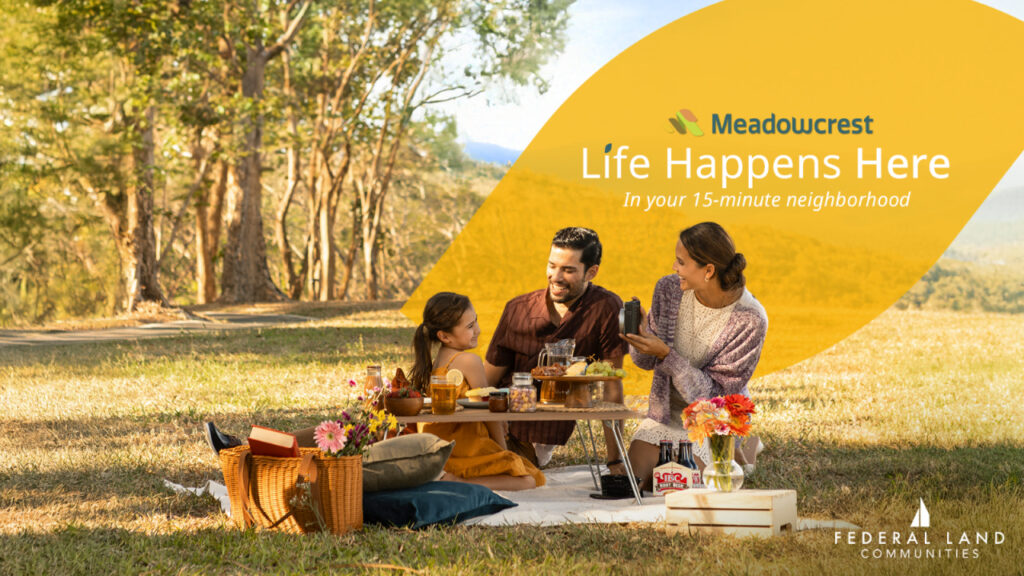
What Is a 15-Minute City?
The 15-minute city concept was developed by urban planner Carlos Moreno, who envisioned a new kind of city where everything you need—work, shopping, schools, parks, and services—is always within a short walk or bike ride from home. This model, grounded in the principles of chrono-urbanism, prioritizes time and quality of life, aiming to reduce long commutes and reliance on cars in favor of vibrant, local living. It’s essentially a place where neighborhoods become self-sufficient, walkable hubs. People can get groceries, meet friends at a café, exercise in a park, or drop off their children at school without leaving their immediate community. Anne Hidalgo, mayor of Paris since 2014, played a key role in bringing Moreno’s ideas to life at the city scale, making Paris one of the leading global examples.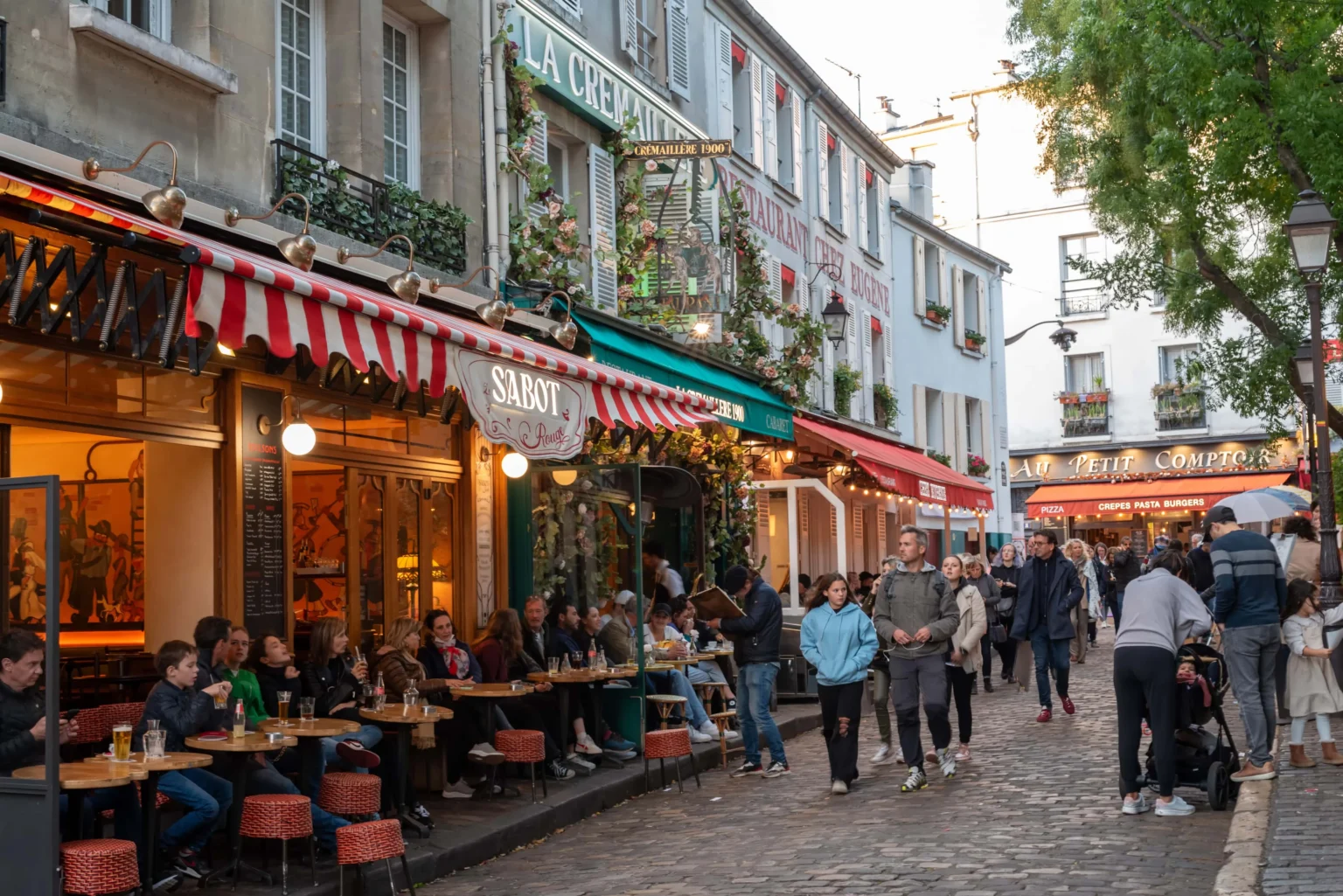
15-Minute City List: Examples From Around The World
Several cities have been recognized for their walkable, accessible neighborhoods:- Paris, France: Spearheaded by Anne Hidalgo, Paris has expanded bike lanes, supported local shops, and transformed public spaces for community use.
- Melbourne, Australia: Its “20-minute neighborhood” initiative shares similar goals, making schools, shops, parks, and health services easily accessible.
- Portland, USA: Urban planning in this city emphasizes cycling, public transportation, and small businesses, resulting in walkable, active districts.
- Barcelona, Spain: The “superblocks” reduce car traffic and create shared spaces for recreation, socializing, and green living.
- Milan, Italy; Ottawa, Canada: Each city is adopting elements of the 15-minute city plan, from redesigned streets to more local services.
How the 15-Minute City Works in a Community
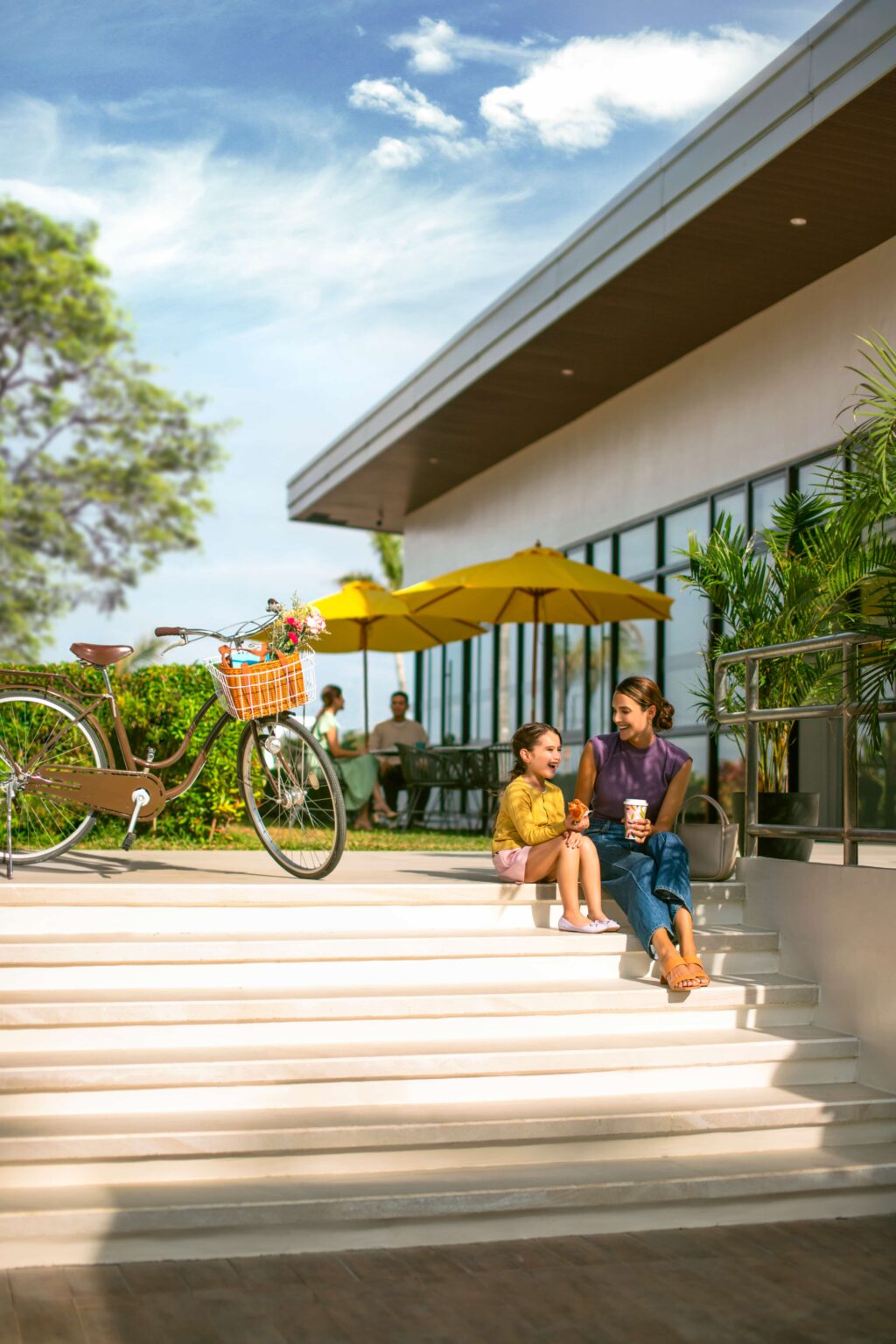
While the 15-minute city concept first gained traction in major cities, its core principles remain equally powerful at the community scale. Instead of thinking about city blocks and business districts, a walkable community focuses on clustering daily essentials, like groceries, schools, clinics, parks, and gathering places, right within the neighborhood. Streets and pathways are planned for people, not just cars. Walking or biking becomes the natural choice, with shaded sidewalks, dedicated bike lanes, and safe crossings encouraging everyone to move freely. Parks, playgrounds, or local cafés become social anchors where neighbors connect and community life flourishes. When essentials are within easy reach and movement is safe and pleasant, routines shift. You spend less time in traffic and more time enjoying home, hobbies, or friends, creating a neighborhood that truly supports well-being.Meadowcrest as a Model 15-Minute Community
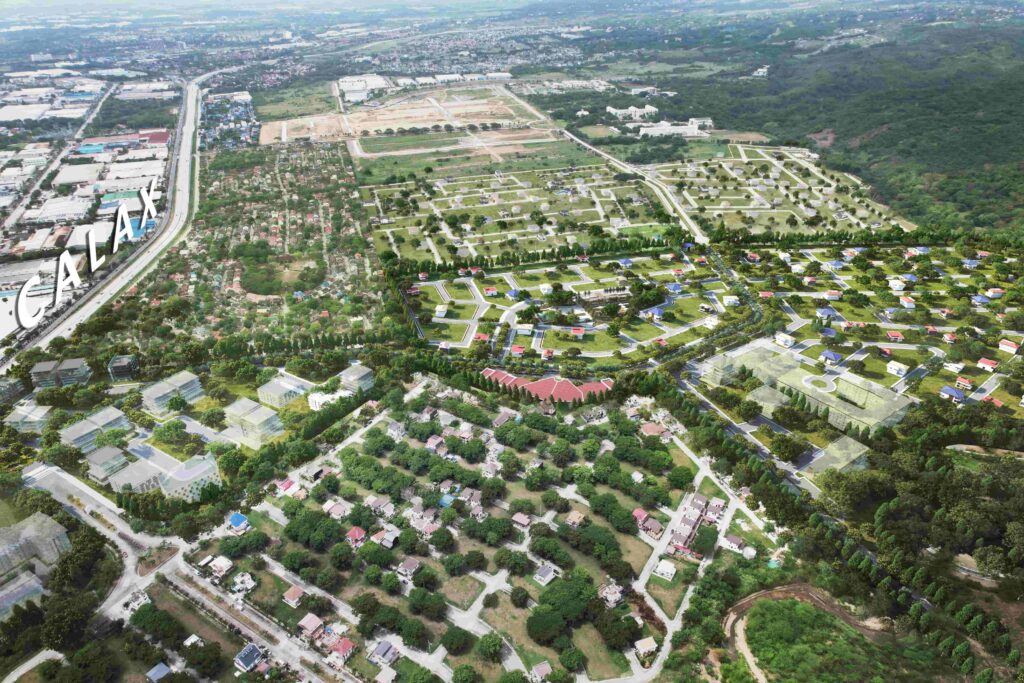
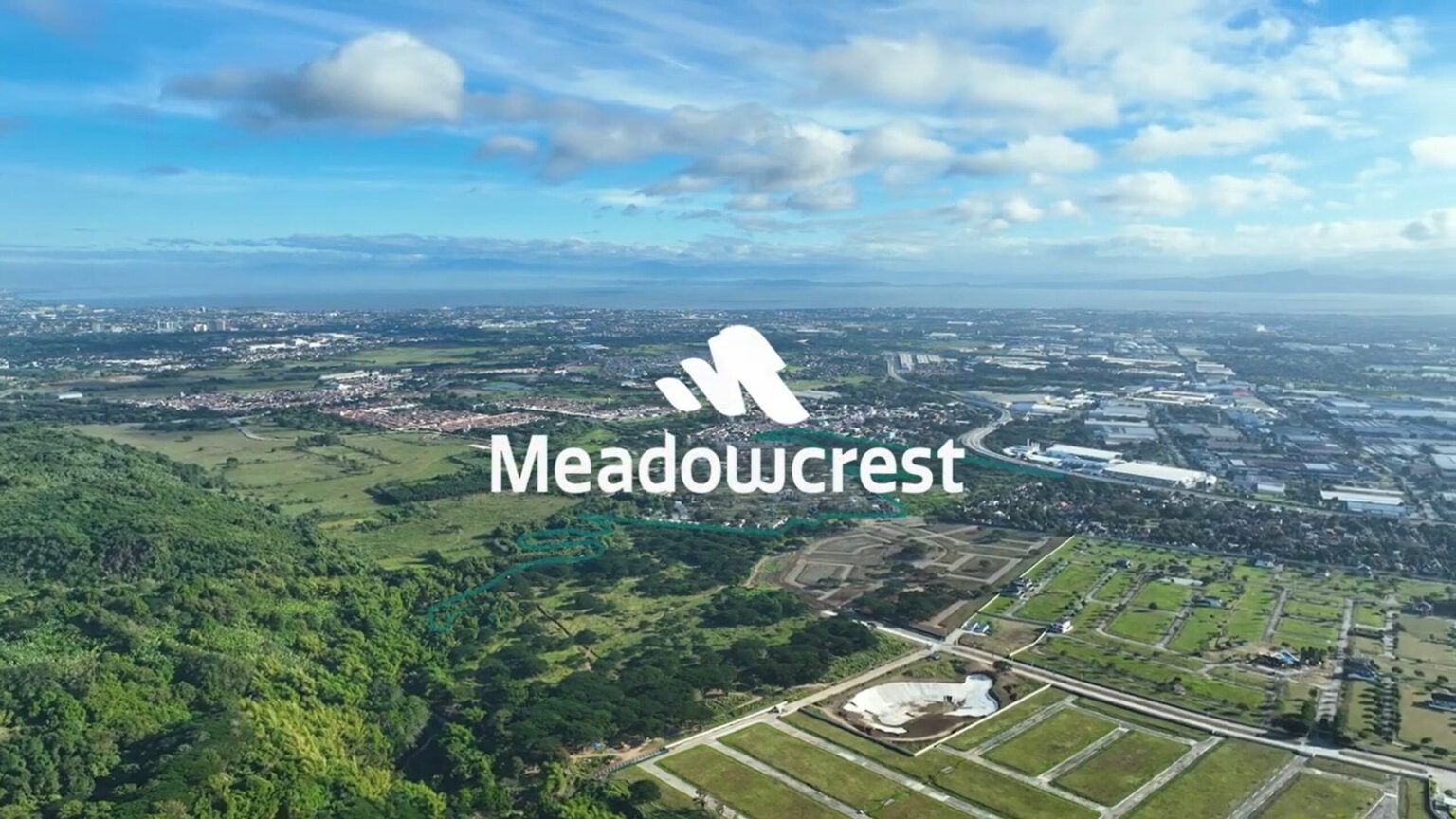
Meadowcrest adapts these principles by shaping its own 15-minute community. The masterplan blends homes, greenways, retail, and amenities into a neighborhood where daily routines stay local, and quality of life rises. This is how global urban innovations can work, not just in big cities, but in thoughtfully planned communities across the Philippines.
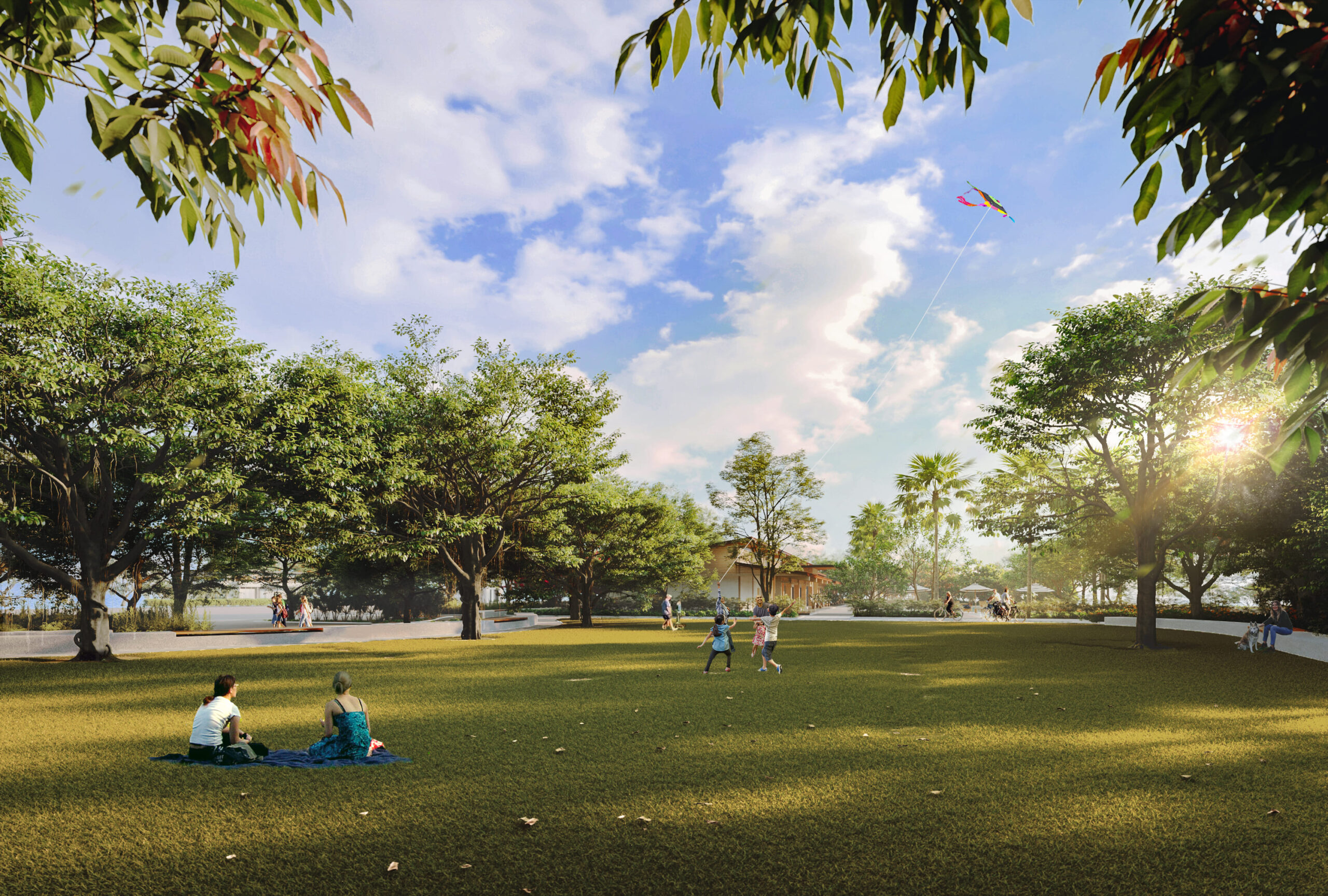
Life Happens Here in Meadowcrest, as walkable streets and greenways connect homes to community spaces, making it simple to enjoy every part of your routine without leaving the neighborhood. Wide, tree-lined sidewalks and safe bike paths encourage you to walk or cycle, while pocket parks and open spaces offer spots to relax or spend time with friends and family, allowing you to focus on what truly matters.
Hartwood Village, Meadowcrest’s first featured residential enclave, highlights how a walkable community can support both privacy and connection. Each sub-neighborhood is designed with its own open spaces, but always links back to the wider community through shared amenities.
Community life thrives in Meadowcrest’s Retail Strip, an “outdoor living room” or multi-use district where residents can gather, host events, or unwind. Meanwhile, quick access to CALAX and SLEX means that while the essentials are close, you’re never far from the rest of Laguna or Metro Manila.
6 Benefits of a 15-Minute City: Walkable Living in Action
1. Daily routines become easier and less stressful In a 15-minute city or walkable community, daily tasks like shopping, school drop-offs, and appointments don’t require long drives or stressful commutes. Essentials are close by, so routines run more smoothly and you regain time for family, hobbies, or rest. 2. Active lifestyles become second nature Walkable design encourages people to move. That can mean walking, biking, or simply spending more time outdoors. Streets, parks, and greenways are designed to make activity part of everyday life, promoting better physical health without needing a gym or special trip. 3. Stronger community ties and neighborhood identity Walkable city principles make it easy to meet neighbors, stop for a conversation, or take part in local events. Gathering spots and community spaces become an integral part of daily life, fostering natural relationships and cultivating a sense of belonging. 4. Safer, more child-friendly streets Shorter, more connected streets help slow traffic, making roads safer for everyone. Parents feel more comfortable letting their children walk, bike, or play outdoors, knowing that the routes are short and the crossings are safer. 5. Cleaner air and greener spaces for all Reduced reliance on cars means lower emissions and more room for trees, gardens, and parks. You’ll find an environment where clean air, shade, and natural beauty become everyday benefits. 6. Long-term value and future-proof living Communities built on the 15-minute city concept can be more adaptable and resilient. As lifestyles and technology evolve, having everything close, accessible, and walkable remains a timeless advantage. This accessibility makes neighborhoods like Meadowcrest appealing for the future.How to Tell If a Community Is Truly “15-Minute Ready”
Not every development that promises convenience lives up to the 15-minute city ideal. If you’re searching for a walkable community or evaluating a new neighborhood, here’s what to look for:| Daily essentials within walking distance | Groceries, pharmacies, clinics, and banks are all accessible on foot or by bike, not just by car. |
| Schools and learning centers nearby | Quality education options are close to home, reducing long commutes for students and parents. |
| Accessible green spaces and parks | Community parks, playgrounds, or pocket gardens are within the neighborhood’s core, not tucked far away. |
| Safe, people-friendly streets | Wide sidewalks, shaded pathways, and protected bike lanes make walking a natural and safe choice for everyone. |
| Gathering spaces and local businesses | Cafés, markets, and shared spaces support social life and bring the community together. |
| Efficient public transit or road access | Connections to transit or major expressways make it easy to reach the rest of the region. |
Life Happens Here
Choosing a home is about securing a way of life that keeps pace with what matters most to you. The 15-minute city concept is a benchmark for what modern communities can achieve when walkability, convenience, and quality of life are prioritized. As more people recognize the long-term benefits of living in a truly connected neighborhood, understanding what makes a walkable community work is a smart step for any homeowner or investor. When everything you need is all within reach, your investment goes beyond property value, bringing lasting well-being, flexibility, and time back into your routine.
If you’re considering your next move, look for places that deliver on that promise. A Laguna property like Meadowcrest shows that you don’t have to compromise on comfort or convenience; you can have both, built right into your everyday life.
Experience firsthand what a truly connected community feels like. Contact us and discover the difference at Meadowcrest.
As more people recognize the long-term benefits of living in a truly connected neighborhood, understanding what makes a walkable community work is a smart step for any homeowner or investor. When everything you need is all within reach, your investment goes beyond property value, bringing lasting well-being, flexibility, and time back into your routine.
If you’re considering your next move, look for places that deliver on that promise. A Laguna property like Meadowcrest shows that you don’t have to compromise on comfort or convenience; you can have both, built right into your everyday life.
Experience firsthand what a truly connected community feels like. Contact us and discover the difference at Meadowcrest. 
Head of Corporate Communications
Gizelle is a marketing and communications professional with extensive experience in the real estate industry, specializing in brand strategy, marketing communications, corporate communications, and integrated campaigns. She has built her career working across brand development, strategic communications, public relations, systems development, and marketing, with experience spanning both corporate and consumer-facing initiatives.
At Federal Land, Gizelle leads the Corporate Communications Department handling the company’s diverse portfolio, helping shape the narratives and experiences behind some of its most notable developments.
linkedin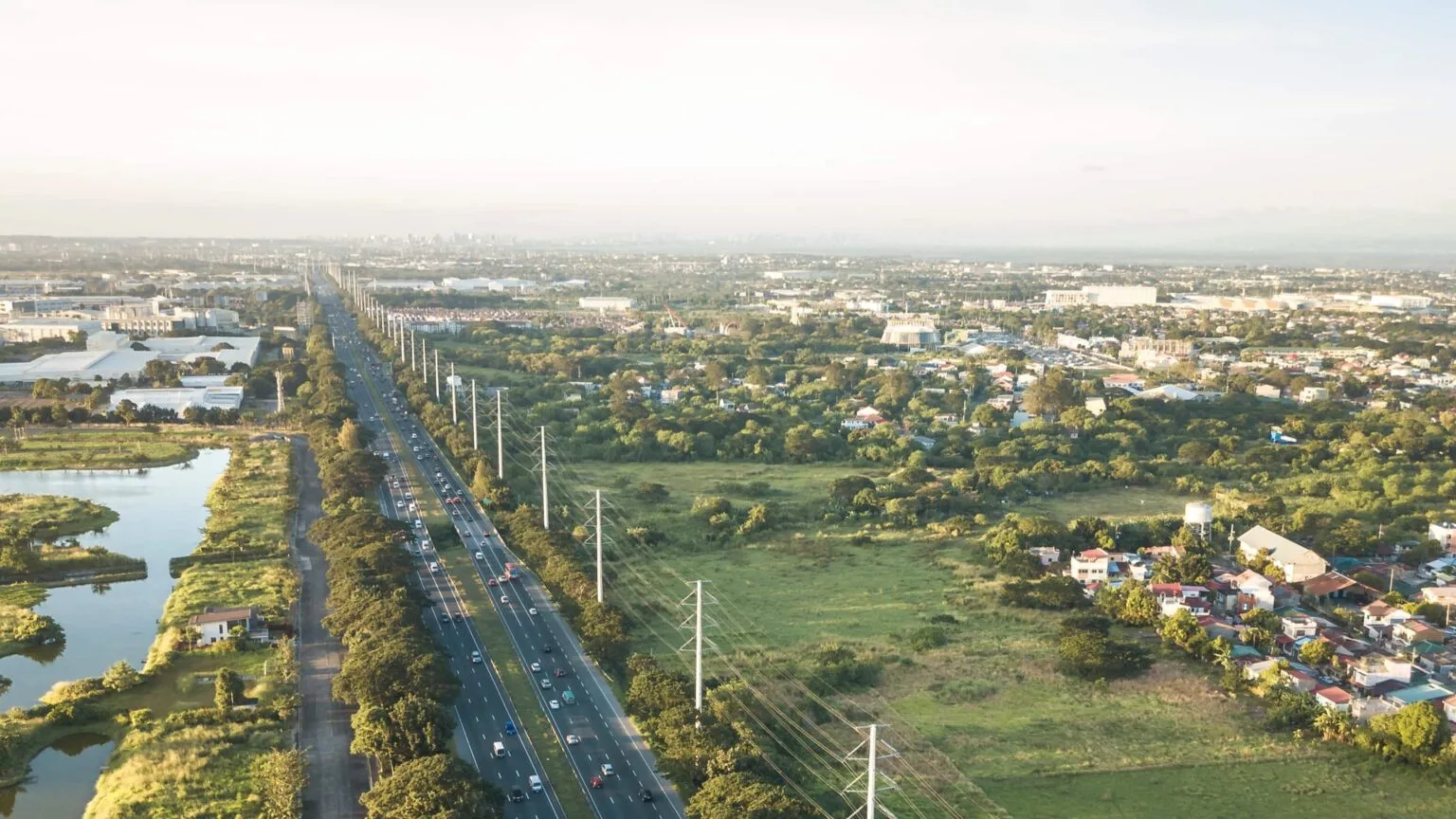

INQUIRE NOW
Let us know what you are looking for. Get updated portfolio delivered straight to your inbox.