

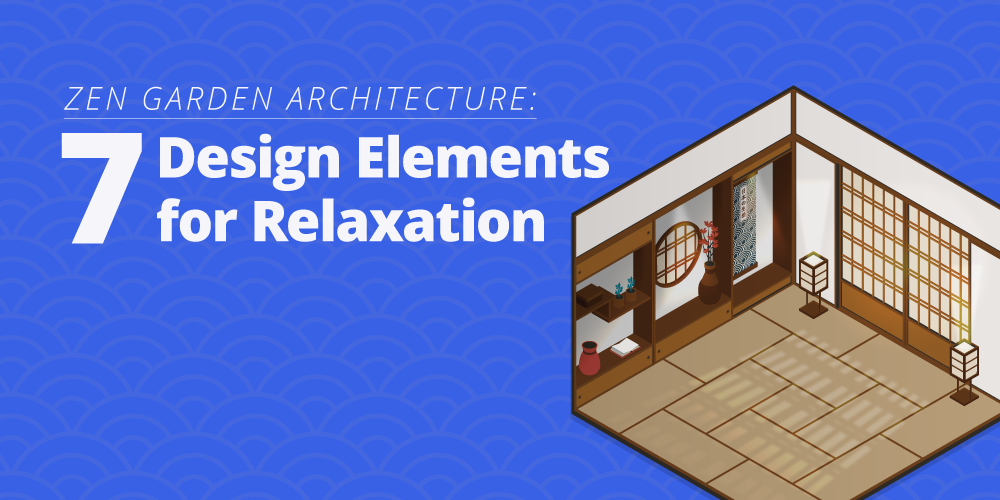
Zen Garden Architecture: 7 Design Elements for Relaxation

Calm often feels like a luxury in modern city life. Between the constant noise and the fast pace, finding a space that invites quiet reflection can make all the difference. That’s where zen garden architecture comes in—a design approach rooted in balance, simplicity, and mindfulness.
More than a style, it’s a philosophy that turns ordinary spaces into places of peace. From the careful placement of stones to the gentle rhythm of raked gravel, every detail encourages stillness and focus. It’s no surprise that many urban homes and condominiums now embrace zen-inspired layouts to create their own retreat within the city.
In the following sections and infographic, you’ll learn the elements of a zen garden and their meaning, how they foster relaxation, and how you can incorporate these timeless principles into your own living space.

What is Zen Garden Architecture?
Zen garden architecture is a design approach rooted in Japanese tradition that arranges natural elements—such as rocks, sand, and plants—to create a peaceful space for meditation and reflection. It focuses on simplicity and the symbolic use of nature to evoke a sense of serenity.
Developed initially in Japanese Buddhist temples, zen gardens were designed as visual representations of the natural world to aid monks in deep contemplation. Every element has meaning: stones can represent mountains, sand mimics flowing water, and sparse greenery suggests resilience.
The concept revolves around wabi-sabi, a principle that appreciates imperfection and invites mindfulness and acceptance of life’s natural rhythm.
4 Principles of Zen Garden Architecture
At its core, zen garden architecture follows these principles to encourage stillness and mental clarity:
1. Simplicity, which strips away clutter to reveal essence
2. Asymmetry, which mirrors the organic irregularities of nature
3. Symbolism, which gives deeper meaning to each material and shape
4. Harmony, which ensures that every element coexists naturally within its space
In modern times, zen gardens have evolved beyond temple courtyards. Architects and designers now integrate zen-inspired concepts into urban homes, offices, and condominium amenities, offering quiet, restorative corners amid fast-paced environments.
Even a small balcony or shared condo courtyard can embody the same tranquil energy with a thoughtful arrangement and minimal upkeep. This enduring design philosophy shows that serenity isn’t tied to size or setting—it’s about how space feels.
7 Essential Design Elements of Zen Gardens for Relaxation
In zen garden architecture, every element cultivates a sense of stillness and reflection. Stones, water, or greenery carry symbolic meaning that deepens the garden’s meditative purpose. Below are the core elements of a zen garden and their meaning.
1. Rocks and stones
Often representing mountains or islands, rocks form the foundation of a zen garden’s layout. They’re arranged asymmetrically to mirror the randomness of nature and symbolize strength, endurance, and permanence.
In traditional Japanese gardens, each rock’s placement reflects careful contemplation rather than symmetry or decoration. They echo the Zen belief that beauty lies in imperfection.
2. Sand or gravel
Sand or gravel embodies flowing water, raked into rhythmic patterns that encourage mindfulness. These wave-like formations change over time, reflecting the impermanence of nature and human thought. The act of raking itself serves as a meditative practice that invites stillness and focus, which helps reduce stress and improve mental clarity.
3. Water features
While not always present, ponds, fountains, or small waterfalls symbolize purity and renewal. Their gentle sounds create a soothing sensory experience that promotes relaxation and reduces stress levels. In fact, the sound of natural water lowers heart rates and enhances concentration.
4. Plants and greenery
Minimal yet intentional, plant life in zen gardens creates texture and form rather than color. Moss, bamboo, and pine trees are common selections because they represent longevity and resilience. Greenery also provides contrast to stone and sand, softening the landscape while reinforcing harmony with nature.
In urban settings, low-maintenance species can bring the same tranquility to small balconies or pocket gardens.
5. Bridges and pathways
Bridges and stepping stones guide movement and contemplation. Traditionally made of wood or stone, they encourage mindful walking—each step reflecting the passage of time and thought and symbolizing transitions in life. Even in compact residential gardens, simple pathways can help delineate spaces and add a sense of depth and exploration.
6. Lanterns and ornaments
Stone lanterns, basins, and subtle sculptures enhance the ambiance without overwhelming the natural balance. Each ornament serves a symbolic purpose—lanterns often signify enlightenment, while basins represent purification. Their muted forms remind viewers that serenity lies in simplicity, not excess.
7. Enclosure elements (walls, fences, and screens)
Boundaries create a sense of seclusion essential for reflection. Whether through bamboo fences, low stone walls, or minimalist screens, these enclosures block visual distractions and noise and turn even small areas into private retreats. In condos or urban spaces, using planters or vertical gardens can create a similar sense of separation without closing off light or airflow.
How Zen Garden Design Enhances Modern Living Spaces
Incorporating zen garden architecture principles into modern homes and condos encourages calm, mindfulness, and balance, which are often lost in the rush of urban life. Here’s how zen-inspired design enhances today’s living environment.
1. Reducing stress and anxiety
The natural textures and open layouts of zen garden landscape architecture help calm the mind. Even brief exposure to greenery and natural elements can lower cortisol levels, making these spaces ideal retreats after long workdays.
2. Boosting focus and creativity
Minimalist design encourages mental clarity. A zen-inspired environment reduces visual clutter and helps you think more clearly and concentrate better, whether working from home or pursuing creative projects. The clean lines and soothing palette encourage mindfulness and sustained concentration.
3. Improving condo aesthetics
Zen gardens condos blend natural materials with modern architecture, thereby elevating interiors and shared amenities. A small indoor rock garden, bamboo feature wall, or moss display can serve as a focal point and grounding element that enhances the property’s overall sophistication.
4. Maximizing small urban spaces
Compact living doesn’t mean compromising serenity. Many urban dwellers now adapt zen design concepts—like tabletop sand gardens, vertical plant arrangements, or balcony stone setups—to create peaceful sanctuaries even in limited areas. The simplicity of these elements allows for both beauty and function in small spaces.
5. Promoting sustainable living
Zen design naturally aligns with eco-conscious lifestyles. Using local stones, drought-tolerant plants, and recycled materials minimizes maintenance and resource consumption. These features not only promote sustainability but also reflect a mindful respect for nature.
Investing in a pre-selling condo in Pasig, such as The Grand Midori Ortigas, lets you experience this balance firsthand. Its architecture combines functional design with zen-inspired tranquility, offering you a peaceful escape from city life.
Likewise, Federal Land’s RFO properties embrace nature-driven aesthetics and thoughtful amenities that bring the same sense of calm and harmony to modern urban living.
Finding Stillness in Every Space
In a world that often moves too fast, designing with intention can make all the difference. Zen garden architecture is a reminder that simplicity, balance, and connection with nature can transform the way you live and how you feel within your space.
If you want a home that embodies this same harmony, The Grand Midori Ortigas, a thoughtfully designed pre-selling condo in Pasig, offers an ideal retreat. Developed by Federal Land, a leading real estate developer in the Philippines, this property reflects the essence of zen-inspired living, serene, balanced, and purposeful.
Discover serenity in your everyday environment. Contact Federal Land today to learn more about their residences that seamlessly blend nature, design, and modern comfort.
FAQs About Zen Garden Architecture
Integrating Zen principles into your living environment can transform your home into a sanctuary for mindfulness and mental clarity. Here are the answers to the most common questions about the elements and benefits of Zen-inspired design.
1. What is zen Garden architecture?
Zen garden architecture refers to the design of minimalist landscapes that promote meditation and tranquility. It uses natural elements like rocks, sand, and plants to represent harmony and balance with nature.
2. What are the main elements of a zen garden and their meaning?
A zen garden often includes rocks for strength, sand for serenity, water for purity, and plants for renewal. Each component symbolizes mindfulness and nature’s rhythm.
3. How can a zen garden design reduce stress and anxiety?
Zen garden design fosters calm through visual simplicity, natural textures, and balanced layouts. Exposure to nature-inspired spaces helps lower cortisol levels and promotes relaxation.
4. Can I create a zen-inspired garden in a small condo?
Yes. Even compact balconies or corners can feature small rock arrangements, potted bamboo, or mini sand gardens. These elements bring serenity and visual balance without taking up much space.
5. Where can I find condo developments with zen-inspired spaces?
You can explore projects like The Grand Midori Ortigas, a pre-selling condo in Pasig by Federal Land. Its design integrates nature, calm, and functionality—perfect for modern city living.

Head of Corporate Communications
Gizelle is a marketing and communications professional with extensive experience in the real estate industry, specializing in brand strategy, marketing communications, corporate communications, and integrated campaigns. She has built her career working across brand development, strategic communications, public relations, systems development, and marketing, with experience spanning both corporate and consumer-facing initiatives.
At Federal Land, Gizelle leads the Corporate Communications Department handling the company’s diverse portfolio, helping shape the narratives and experiences behind some of its most notable developments.
linkedinINQUIRE NOW
Let us know what you are looking for. Get updated portfolio delivered straight to your inbox.