


Open vs Closed Floor Plan: Which Is Better For Your Home?

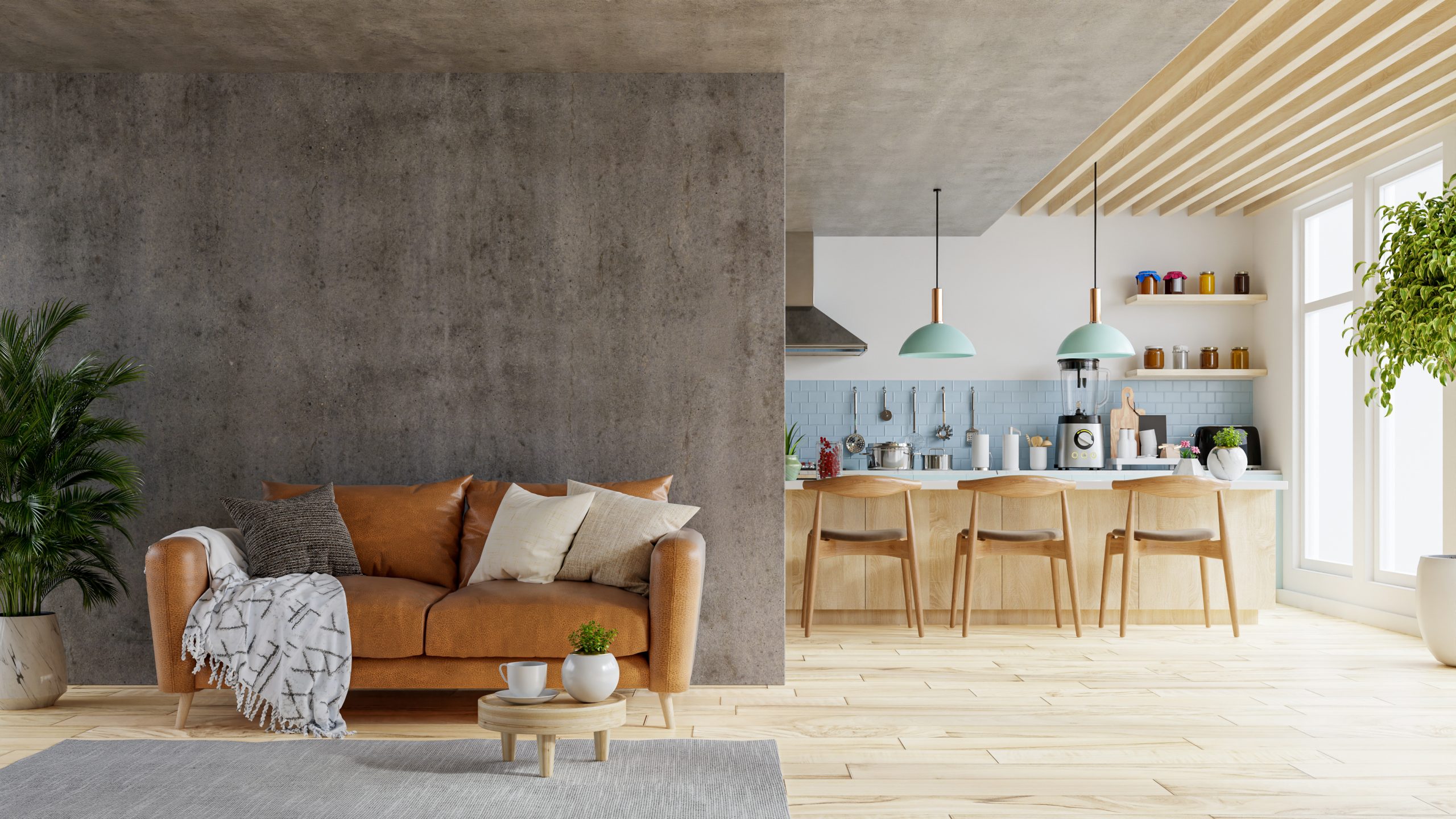
A floor plan sets the tone for how you’ll live. It shapes how you move from one room to another, how natural light fills each space, and how easily you can host parties. The right layout can even boost your home’s long-term value.
That’s why one of the biggest decisions homeowners face is choosing between open vs. closed floor plans. Each offers distinct advantages, and premier real estate developer Federal Land’s RFO properties—like Valencia Hills Tower E in New Manila, Quezon City and Mi Casa in Met Park, Manila Bay Area —show how adaptable layouts can cater to either preference. While there’s no correct answer, understanding these differences helps you find what works for your lifestyle.
This blog will cover the key differences between open and closed floor plans so you can decide which layout suits your needs and wants.
Open vs Closed Floor Plan: What’s the Difference?
At its core, the difference between open concept houses and closed designs lies in how they utilize walls and partitions. Both approaches can shape your daily life, from how you host small gatherings to how private each corner feels. Federal Land designs homes with the two layouts in mind, so you can choose the flow and balance that matches your lifestyle.
What is an Open Floor Plan?
An open floor plan combines spaces like the living room, dining area, and kitchen into a single, large zone. Instead of walls, the areas flow seamlessly into one another. The idea is to maximize light and make spaces feel larger than their actual size.
This design became especially popular in the mid-20th century as families began to value togetherness and visibility over compartmentalized rooms. In fact, 70% of homeowners prefer open space layouts due to their flexibility. You can host dinner while keeping an eye on the kids or entertain friends without feeling cut off while cooking.
Other benefits include:
- Enhanced natural light – fewer walls mean daylight travels farther.
- Stronger social connection – conversations carry across the room.
- Spacious feel – even smaller homes look bigger with continuous sightlines.
An open plan still requires thoughtful furnishing and design choices. Without natural dividers, furniture placement, area rugs, or even lighting, zones are often defined by these elements.
What is a Closed Floor Plan?
A closed floor plan uses walls, doors, or partitions to separate rooms into distinct spaces. Each area serves a purpose with clear boundaries. This design has been the traditional standard for homes, especially before the rise of modern open layouts.
It’s appealing because it lets you control noise, privacy, and function. You can cook without listening to the TV in the living room or take a call in the dining area without distraction. Since smaller spaces retain temperature more efficiently, defined rooms make it easier to manage heating and cooling.
Advantages of a closed layout include:
- Privacy – you can retreat into a room without being seen or heard by others.
- Noise reduction – walls block sounds from carrying across the home.
- Purposeful spaces – each room has a clear identity and role.
This layout works well if you live with many family members or are working from home and need a quiet space.
Which is Better?
Open layouts are ideal if you love natural light, a spacious feel, and easy interaction during gatherings or family time. Closed layouts work best if you value privacy, quiet, and clearly defined rooms. The “better” choice is the one that fits your lifestyle and daily routine.
How to Choose the Right Floor Plan for Your Home
A well-designed home layout should align with your lifestyle and goals. Here are five things to consider when making your decision:
1. Buy in prime locations with growth potential
Location matters just as much as how your home looks. Areas like Pasay City are becoming increasingly valuable due to new infrastructure, tourism, and commercial developments. These factors increase demand for homes, thereby helping your property’s value grow over time.
Federal Land builds communities in the heart of these growth areas. For instance, Mi Casa in Pasay blends location and thoughtful design. You’ll find a home that becomes more valuable as the city develops.
2. Consider rental opportunities
If you plan to turn your home into an income source, think about how different layouts appeal to potential tenants. Open plans often attract those who want flexible, interactive spaces, while closed plans suit renters who prioritize privacy. You can turn this passive monthly income into capital for your next down payment or renovation fund.
For instance, you can rent out a unit in Mi Casa for ₱35,000 per month and use the earnings to acquire a second Federal Land condo within three to five years. Federal Land is known for building quality homes in prime locations, which attracts steady rental demand. This way, you gain a reliable income for reinvestments.
3. Think about daily routines
Your daily habits should shape your choice. If you enjoy cooking while chatting with guests, an open plan keeps the conversation flowing. You may also appreciate the visibility open spaces provide if you live with small children who like to play around.
On the other hand, a closed floor plan offers the privacy needed for working from home or taking online classes. Think long-term: what fits your life today may need to adapt as your household changes.
4. Leverage pre-selling and financing terms
The pre-selling stage gives you more options at lower entry prices. Federal Land’s pre-selling properties offer payment terms that make it easier to secure a unit, while also letting your investment appreciate before turnover. Whether the unit has an open or closed plan, compounding growth works in your favor.
5. Look for flexibility in design
Some properties, like Valencia Hills Tower E, blend the best of both worlds. A semi-open plan lets you enjoy shared spaces while keeping some rooms private. This way, your home can adapt to your needs instead of limiting them.
Spaces That Work for You
The choice between open and closed layouts comes down to more than aesthetics; it’s about how your home supports the way you live. Some families thrive in bright, connected spaces, while others prefer the structure of defined rooms. Weighing your lifestyle and investment goals can help you choose the floor plan that suits you best.
Federal Land offers thoughtfully designed communities that embrace both styles. For example, Mi Casa, a pre-selling condo in Pasay, has flexible layouts that adapt to your needs today and in the future. This tropical-inspired residence will make your day vibrant and relaxing at the same time.
Contact us to schedule an inquiry or viewing.
FAQs
What is an open floor plan?
An open floor plan combines the living room, dining area, and kitchen into one large, wall-free space. It maximizes natural light and creates a spacious, social atmosphere.
What is a closed floor plan?
A closed floor plan uses walls and doors to separate rooms, offering privacy, noise control, and defined spaces. It’s ideal for those who need quiet or distinct room functions.
Which floor plan is better for families?
Open floor plans work well for families who want visibility and togetherness, while closed layouts suit those needing private spaces (e.g., for work or study).

Head of Corporate Communications
Gizelle is a marketing and communications professional with extensive experience in the real estate industry, specializing in brand strategy, marketing communications, corporate communications, and integrated campaigns. She has built her career working across brand development, strategic communications, public relations, systems development, and marketing, with experience spanning both corporate and consumer-facing initiatives.
At Federal Land, Gizelle leads the Corporate Communications Department handling the company’s diverse portfolio, helping shape the narratives and experiences behind some of its most notable developments.
linkedinINQUIRE NOW
Let us know what you are looking for. Get updated portfolio delivered straight to your inbox.