


Negative Space in Design: A Beginner’s Guide to Making Your Home Feel Bigger and Brighter

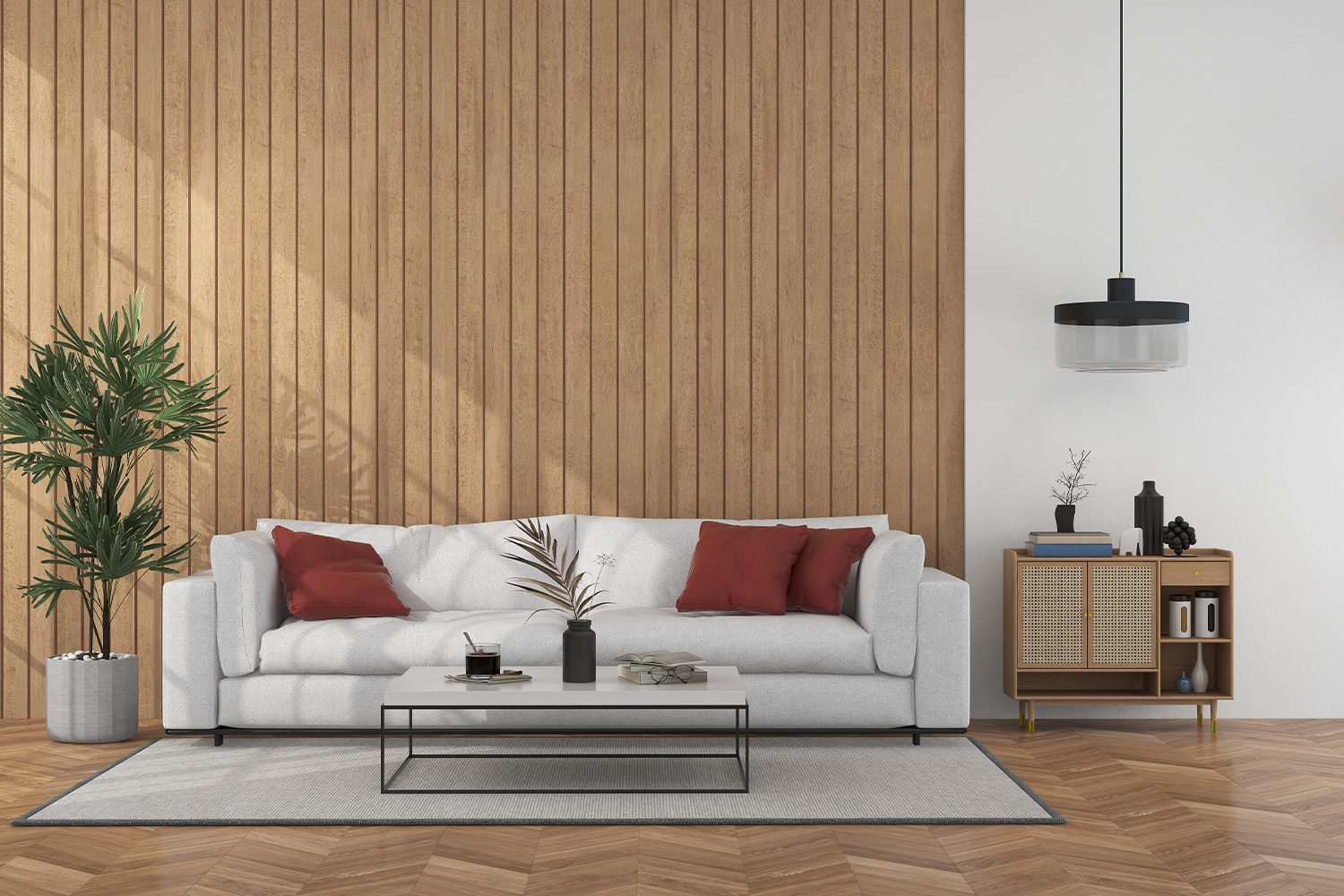
With space at a premium in most cities, many homeowners assume that every corner must be filled with furniture or décor to feel complete. That mindset can make even a well-designed unit feel cramped and chaotic, leaving residents with a sense of clutter and visual fatigue.
Minimalist design has grown in popularity as a response, offering a solution: embrace open areas instead of overcrowding them. With the rise of minimalist interiors in Metro Manila condos, more homeowners are discovering that leaving room to breathe can make any space feel luxurious.
This approach relies heavily on negative space—the empty or unoccupied areas around objects—which allows rooms to “breathe.” It creates visual balance, improves flow, and even affects how spacious and comfortable a home feels psychologically.
By mastering this approach, you can instantly transform your condo to look brighter, airier, and more elegant without costly renovations. This guide covers what negative space is, why it matters, and practical ways to apply it in your home so every square meter works for you.
What is Negative Space in Design?
Negative space in design refers to the empty or unoccupied areas surrounding objects, furniture, and architectural features in a room. Simply put, it’s the space you don’t fill, but its impact on how a room feels is enormous. Using this approach strategically can make interiors appear larger, more open, and visually balanced.
It also differs from positive space, which includes all tangible elements like sofas, tables, rugs, artwork, or structural components. The balance between positive and negative space defines a room’s flow and comfort. Too much furniture or décor without breathing room can make spaces feel cramped, while too little can make a room feel sparse or unfinished.
Interior designers in the Philippines often use negative space to maximize condo layouts. For example, leaving a clear pathway between a sofa and a coffee table creates both flow and comfort. Keeping wall areas free of excessive frames or décor can make compact units feel airy and organized.
In developments like Federal Land’s Palm Beach West near MOA, designers use open living and dining layouts to highlight clean lines and maximize natural light. Professionals also pair negative space with focal points—like a statement artwork or a sleek accent chair—to create depth without clutter. When used thoughtfully, negative space transforms everyday living areas into harmonious, relaxing environments.
Benefits of Negative Space in Design
The thoughtful use of negative space affects how your home feels, functions, and even how you experience it daily. Here’s how it can transform your living areas:
1. Creates visual balance and harmony
Proper spacing between objects defines boundaries and guides the eye naturally. Negative space allows each element to breathe, preventing interiors from feeling cluttered or chaotic. Even bold or maximalist designs rely on open areas to let vibrant colors, intricate patterns, or statement pieces truly shine.
For instance, a living room with a bright-colored sofa or patterned rug can quickly become overwhelming without plain walls and open floor space. Global design trends in 2025 emphasize clean sightlines and structured layouts, proving that aesthetic balance requires intention, not just minimalism.
In condos, leaving breathing room around furniture ensures that each piece stands on its own, rather than competing for attention. Even small décor items like a vase or a lamp gain prominence when thoughtfully framed by empty space. Studies in design psychology also show that visually balanced environments reduce anxiety and improve focus, making your home both calming and functional.
2. Makes any space feel larger and lighter
Open pathways, uncluttered walls, and clear sightlines instantly make compact areas appear more expansive. When combined with natural or well-placed artificial lighting, these features amplify the sense of openness. Even a tiny studio can feel airy if you leave floor areas clear, avoid overcrowding shelves, and keep wall décor minimal.
Many Philippine condos, including those by Federal Land, are designed with strategically spaced furniture and large windows to enhance light and space. These layouts demonstrate how intentional spacing and natural light create a feeling of freedom that goes far beyond the actual square footage.
Minor adjustments—like leaving adequate clearance around your coffee table or sofa—can dramatically change how big a room feels.
3. Enhances functionality and flow
Negative space is fundamentally about movement and comfort. By aligning furniture along natural pathways and leaving enough clearance around main pieces, you improve traffic flow, which reduces stress, minimizes accidents, and makes daily routines smoother.
For example, leaving at least two feet of clearance around a dining table or sofa allows multiple people to move comfortably, even in tight units. Furthermore, decluttered areas inherently help you relax by preventing sensory overload. By strategically applying negative space, you create rooms that effortlessly balance activity and rest, which is essential in urban condos where every square meter counts.
4. Elevates design impact
Negative space is a crucial tool for making your interiors look professionally styled by effectively highlighting focal points. Choose one statement piece per room—such as a striking artwork, an elegant pendant light, or a bold accent chair—and deliberately surround it with breathing room.
It mirrors the sophisticated approach seen in modern condo showrooms, where simplicity emphasizes quality and craftsmanship.
In Federal Land’s model units, for instance, open layouts often leave space around key design features, creating a clean and sophisticated atmosphere. This strategy naturally draws your eye to the most important details, successfully turning any space into a visually stunning environment.
6 Tips on How to Use Negative Space in Design
Make intentional choices that enhance light, flow, and comfort. Here are actionable ways to use negative space to make your condo feel bigger, brighter, and more inviting:
1. Use neutral colors and light tones
Walls, floors, and large furniture pieces in soft, neutral shades create an instant sense of openness. Light colors reflect natural light, which helps make rooms appear both larger and more serene. For example, setting a cream sofa against a pale gray wall draws focus to textures and shapes rather than overwhelming the space with heavy color.
Neutral tones also provide a seamless backdrop, making it effortless to introduce accent pieces or artwork without breaking the visual flow. By using muted hues in rugs, pillows, or curtains, you can add character while maintaining overall harmony.
2. Simplify furniture arrangements
Avoid the common temptation of pushing every piece against a wall or filling every corner. Instead, arrange furniture to ensure clear pathways and sufficient breathing room. In compact condos, try floating your sofa or coffee table slightly away from the walls to instantly create natural walking space.
Furthermore, strategic grouping can create cozy, functional zones—like a reading nook beside your living area—without sacrificing the overall sense of openness.
3. Incorporate mirrors and reflective surfaces
Mirrors and glass furniture are practical tools for bouncing light and creating the illusion of depth. Specifically, place a large mirror opposite a window to reflect natural light deep into the room. Reflective finishes, in general, help make narrow spaces feel more open.
Even small touches—like metallic accents or clear glass trays—can add brightness and a modern touch without contributing to visual clutter.
4. Optimize natural light
Open blinds, use sheer curtains, and avoid heavy drapes to let light flow freely throughout your space. Negative space is most effective when paired with brightness, which prevents corners from feeling enclosed and heavy. For units with fewer windows, opt for light-colored furniture or strategically placed lamps to mimic natural light and enhance the sense of airiness.
5. Layer textures instead of colors
Use tactile variety—such as woven rugs, linen throws, or matte ceramics—to create interest without overwhelming the eye. Textures help add warmth and character while maintaining the overall sense of openness. Even subtle contrasts—like pairing glossy with matte finishes—can create visual richness while keeping the space feeling calm and sophisticated.
6. Highlight focal points and maintain visual flow
Choose one design highlight per room—such as a statement painting, a textured accent wall, or a unique lighting fixture—and deliberately use the surrounding negative space to draw attention to it. Additionally, keep pathways clear and coordinate furniture heights to ensure a consistent visual flow.
This balanced rhythm between positive and negative space helps guide the eye naturally, making even compact units feel cohesive and easy to navigate. These small, intentional choices mirror the philosophy seen in Federal Land’s condos, where openness, flow, and balance define modern urban living.
Less is Luxe
Thoughtful use of negative space can transform a condo of any size into a bright, airy, and comfortable home. It creates balance, highlights what matters, and gives your interiors crucial room to breathe. Minor adjustments—like decluttering pathways, maximizing light, and simplifying layouts—make a tangible difference in how your space feels.
If you’re searching for a condo near MOA that already incorporates smart layouts and open designs, explore Federal Land’s Palm Beach West. Its units are designed to emphasize thoughtful spacing and modern finishes, perfectly demonstrating how negative space and intentional design enhance both comfort and style.
With every inch built for function and calm, your home can feel like a light-filled retreat, no matter its size. Contact Federal Land today to learn more about Palm Beach West and schedule a visit.
FAQs
1. What is negative space in interior design?
Negative space refers to the empty or open areas around objects in a room. It gives the eyes a place to rest and helps interiors feel calm, balanced, and thoughtfully designed.
2. How can I use negative space to make my condo look bigger?
Leave intentional gaps between furniture, use light-colored walls, and avoid overcrowding with décor. Mirrors and open layouts help reflect light and visually expand your space.
3. Why is negative space important in small homes or condos?
It reduces visual clutter and enhances airiness, making compact spaces feel more open and comfortable. Balancing full and empty areas improves both flow and aesthetics.
4. Can negative space work with a maximalist or colorful style?
Absolutely. Even bold interiors need visual breathing room. Use solid-colored walls, transparent surfaces, or simple lighting to offset patterns and vibrant colors without losing personality.

Head of Corporate Communications
Gizelle is a marketing and communications professional with extensive experience in the real estate industry, specializing in brand strategy, marketing communications, corporate communications, and integrated campaigns. She has built her career working across brand development, strategic communications, public relations, systems development, and marketing, with experience spanning both corporate and consumer-facing initiatives.
At Federal Land, Gizelle leads the Corporate Communications Department handling the company’s diverse portfolio, helping shape the narratives and experiences behind some of its most notable developments.
linkedinINQUIRE NOW
Let us know what you are looking for. Get updated portfolio delivered straight to your inbox.