


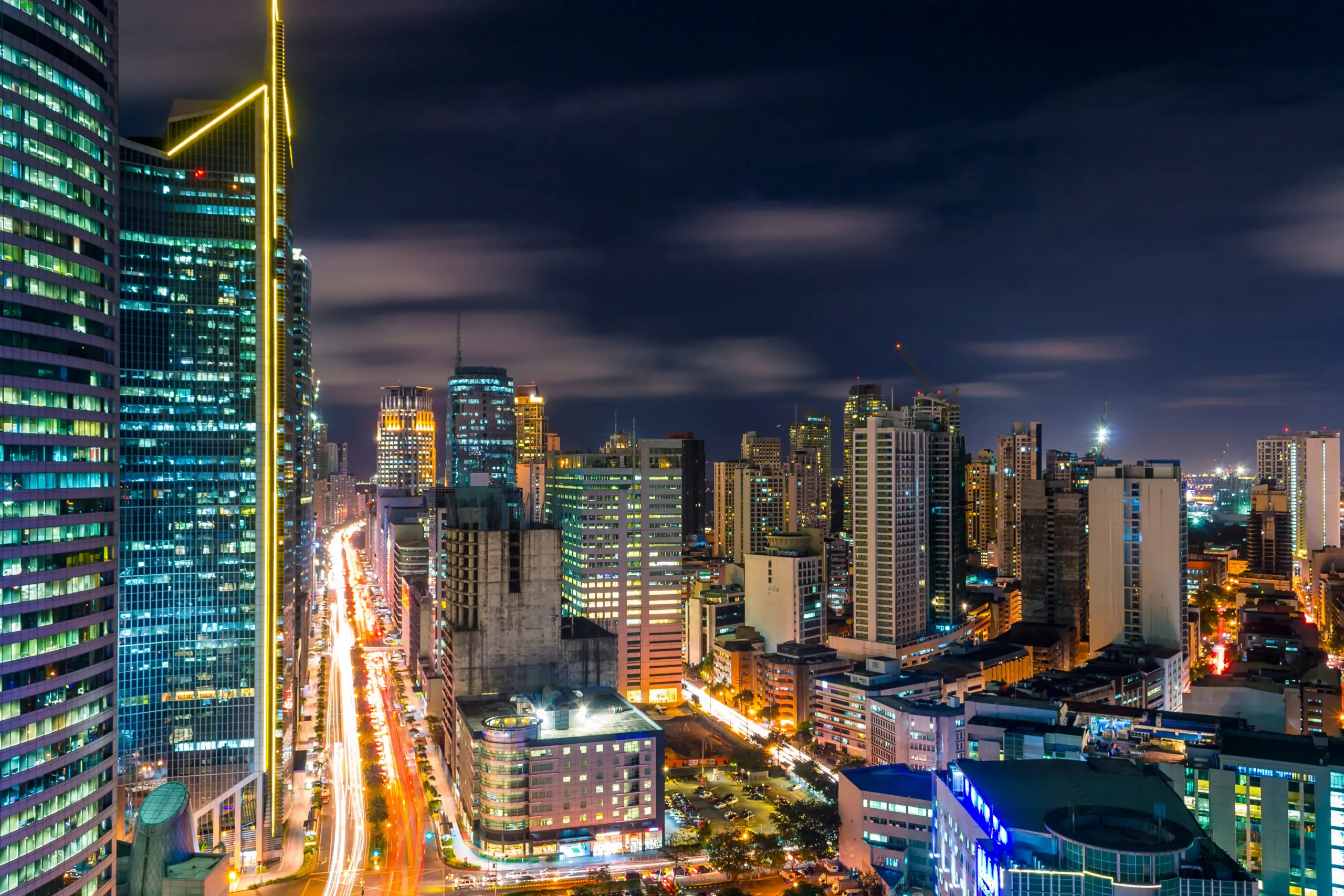
Buying a Condo in the Philippines: What Foreigners Need to Know


With a growing economy and a large English-speaking population, it’s no surprise that the Philippines has become a top destination for foreigners seeking a place to live or invest. But while settling down here may seem appealing, the real estate market can feel overwhelming to navigate.
Many foreigners often ask, “Can you own a condo in the Philippines?” Fortunately, it is one of the most practical and legal ways to own property in the country. Condominiums offer convenience, security, and access to prime city locations—perfect for expats, retirees, and investors alike.
Refer to this guide on how to own a condo as a foreigner and avoid common mistakes along the way.
Can a Foreigner Own a Condo in the Philippines?
The short answer is yes—but with limitations. Under Philippine law, foreigners are generally prohibited from owning land or real estate outright. Only Filipino citizens and corporations that are at least 60% Filipino-owned are eligible to acquire land. However, condominiums are exempt from this law.
Republic Act No. 4726, also known as The Condominium Act, allows foreigners to own condo units legally. However, foreign ownership within an entire condo development must not exceed 40%. If you’re an expat looking to invest or settle in the Philippines, buying a condo is one of the most viable options available to you.
4 Things Foreigners Should Consider Before Buying a Condo in the Philippines
Condo ownership is a major undertaking, and you might wonder, “How does buying a condo work?” Carefully consider these key factors before making that commitment:
1. Your short and long-term plans
Ask yourself why you’re buying a condo in the Philippines. Is it for retirement, investment, or a vacation home? Maybe you’re relocating for work or to start a family. Whatever your reason, be clear about it. Your plans will influence the type of condo you should buy, where to purchase it, and even how long you intend to stay in or hold onto the property.
Practically, buying a condo is better than renting one when you plan to stay for more than a few years. And, if you are looking for an additional steady source of income, a condo unit can be a rewarding investment. Rent it out long-term and collect monthly rent with minimal to zero effort.
2. Your budget
Before anything else, be realistic about what you can afford. Typically, developers require a down payment ranging from 10% to 30% of the total price. Some offer promos like buying a condo with no money down, but always read the fine print.
Aside from the total contract price of the condo unit, take note of the transaction fees and taxes that you need to settle. Including these in your computation will help you establish a sensible budget.
3. Location, location, location
Your condo’s location has a significant impact on your lifestyle, convenience, and even its future resale value. Whether you want to be near business districts or quieter suburban areas, take the time to explore your options. Remember, where you live is just as important as what you buy.
4. Your support network
Moving to a new country can be both exciting and challenging. Think about your support system—family, friends, or professional contacts—who can help you adjust and settle in. Having a reliable network makes all the difference.
If you are coming to the Philippines for the first time, it may be wise to settle in an area with a significant expat population. Filipinos will treat you like family and make you feel at home, but it’s natural for expats to seek communities with which they can truly identify.
Business districts like Makati, Ortigas, and Bonifacio Global City have expat clubs that will show you the ropes and help you settle in. Outside the capital, Clark, Subic, Cebu City, and Davao City have a sizable number of foreign residents.
The Condo Buying Process for Expats
As with any property purchase, there are documents you must provide to own a condo in the Philippines. Here are the requirements.
Documents you’ll need
- Visa – This document serves as proof that immigration authorities have granted you clearance to proceed to the Philippines. It is issued at a Philippine Embassy or Consulate in your home country.
- Alien Certificate of Registration (ACR) – This is an identification card issued by the Philippine Bureau of Immigration to all registered aliens whose stay in the country exceeds 59 days.
- Proof of legal residence in the Philippines – You can use IDs and documents that indicate your address, or use billing statements from utility companies under your name.
- Proof of wages or certificate of employment – This can be in the form of company IDs or a certificate of employment (COE) from your employer.
- Letter of Intent (LOI) to Purchase – The letter of intent indicates that you have agreed to the terms and conditions of the transaction with the seller. Real estate brokers typically provide a template for this.
- Contract to Sell provided by the broker or developer – This is a binding agreement between the buyer and seller—the buyer promises to buy the property, and the seller promises to sell the property only to the buyer. However, there is no transfer of property yet until some more conditions are met.
- Deed of Absolute Sale – The Deed of Absolute Sale can only be released once full payment and all other obligations, such as taxes, have been met. This also serves as proof that the unit is now your property.
- Tax Declaration – This is issued by the Assessor’s Office where the property is located.
- Reservation Application Form – When buying a condo unit in its pre-selling phase, you’ll need to reserve your slot by filing this form and settling the down payment.
- Buyer’s Information Sheet – This is the form given by the condo developers to collect some vital information from you.
- Bureau of Internal Revenue (BIR) Form 1904/1903 – Foreigners use this form to register and apply for a tax identification number (TIN) at the nearest revenue district office (RDO) of the Bureau of Internal Revenue (BIR).
Steps to Buying a Condominium for Foreigners
Navigating the real estate market in a new country can feel like a daunting task, especially with the unique legal framework governing property ownership in the Philippines. While the process is structured to be accessible, success lies in understanding the specific documentation and professional support required at every stage.
Here’s a breakdown of the essential steps for acquiring your new home.
1. Find a knowledgeable real estate agent
As a foreigner, you may not know the local property scene or the nitty-gritty of investing in real estate, which can overwhelm you. Fortunately, local experts can offer you valuable insights, sound advice, and informed recommendations on your real estate investment.
Real estate experts and agents, such as those from Federal Land, are the right people to approach so that you won’t have a hard time dealing with unclear real estate terms and definitions. They can also help you find the best condo deals in the market.
2. Look up properties from reputable property developers
Don’t settle on the first condo unit you see. Instead, explore condo units from reputable property developers, such as Federal Land, which have already established an outstanding track record in building high-quality properties in prime spots in key cities. Then, you can narrow down your list of possible locations and units to find a well-built property that matches your quality and safety standards.
3. Submit a Letter of Intent (LOI)
Submitting a Letter of Intent is the first step to formally initiating the condo buying process. This document signifies your interest in purchasing a particular property. When agreeing to the general terms and conditions of the sale, you and the seller must sign the LOI.
4. Ask a lawyer to draft a Deed of Absolute Sale (DoAS)
A DoAS is required for the property title to be transferred under your name. This document indicates all the terms and conditions of the sale, so you’ll need a lawyer to draft one for a smooth transfer of all property rights from the seller’s name to yours.
5. Pay any outstanding fees
The cost of owning a condo goes beyond the property price. Condo ownership also involves additional fees, such as notary fees, property taxes, and real estate taxes. Before you have the title under your name, you’ll also need to pay several transaction fees.
6. Move in!
Once all fees have been settled and relevant documents have been secured, you can now move into your new home!
Transaction Fees
Beyond the purchase price, both buyers and sellers must account for several government taxes and processing fees. While some costs are traditionally assigned to a specific party, many can be negotiated during the closing process.
Capital gains tax
Property sellers are usually the ones who pay for this tax. However, they may also include the amount in the sale price for buyers. This tax is imposed on a property investment and costs 6% of the condo unit’s actual price, zonal value, or fair market value, whichever is higher.
Documentary stamp tax
A documentary stamp tax is used to process relevant papers and documents necessary for transferring and accepting property rights from one individual to another. This costs 1.5% of the property’s sale price, zonal value, or fair market value, whichever is higher. Although the buyer normally pays this tax, you can negotiate with the seller to shoulder the cost instead.
Transfer tax
This is payment for transferring the title or ownership of the condo unit to your name. It costs between 0.5% and 0.75% of the total sale price, depending on the location of the property.
Title registration fee
After having the rights and the title given to you, you’ll need to register it with the Registry of Deeds. This will cost approximately 0.25% of the sale price. However, it may change depending on the published registration fee table of the town or city where your property is located.
Notary fees
You’ll also have to pay for your documents to be notarized, which costs approximately 1% to 2% of the property’s selling price. This verifies the signatories’ identities and their knowledge of the documents they have signed.
Other Recurring Fees
Owning a condo property also involves paying homeowner fees, which typically cover the costs of maintaining the building and its common areas.
Association dues
These are the monthly dues paid to your condo’s homeowners association (HoA) for the general upkeep of the condominium. Depending on the type and the size of your unit, the developer determines the amount to be paid using a set price per square foot.
Amenity fees
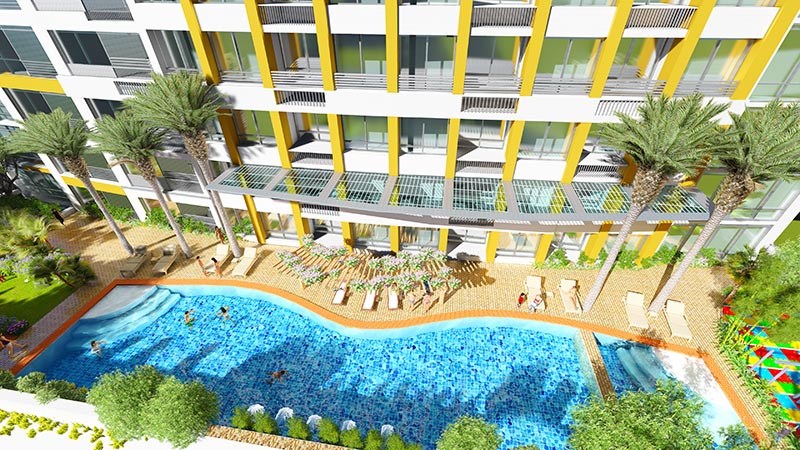
Amenity fees are your payment for using the facilities in the condo, such as the swimming pool, function rooms, and more. This is usually included in the association dues, but some condos may require a separate payment. You may also need to pay for a parking space.
Yearly property tax
This is an annual tax that the government assigns to your property. Your property tax can vary depending on its type or location, but the rate is typically 2% within Metro Manila and 1% in the provinces.
Top Cities for Expats in the Philippines
Selecting the right location is as critical as the investment itself. While the buying process is uniform nationwide, each city offers a distinct lifestyle based on its local infrastructure and community. Here are the primary residential hubs to choose from.
1. Makati
Makati City is ideal for expats because it’s conveniently located near Metro Manila’s business districts. There are numerous high-end condos you can choose from, like the Paseo De Roces by Federal Land that sits along Don Chino Roces Avenue in Makati. With its proximity to the central business district and other worthwhile destinations, many young professionals and start-up families are drawn to Makati.
2. BGC
Typically, a condo for sale in BGC is surrounded by many lifestyle amenities, retail and dining options, and top-notch companies, so you won’t have to go far to work or unwind. Federal Land’s Grand Hyatt Manila Residences is the first residential development in Southeast Asia that carries the esteemed Grand Hyatt name.
3. San Juan City
If you’re bringing your family with you, San Juan City may be the right fit. It’s a family-friendly city with accessible amenities, including hospitals, shopping malls, and more. It also has numerous local and international schools. The One Wilson Square, a condo for sale in Greenhills, will undoubtedly make you feel at home in a new country.
4. Cebu
If you’re looking for a mix of nature and city life, the Marco Polo Residences, a condo in Lahug, Cebu, may be right up your alley. Known as the Visayas’ prime business hub and for its rich cultural heritage, Cebu offers the best of both worlds that many expats seek.
Feel at Home in a New Country
The Philippines is one of the most welcoming countries for foreigners and expats to settle down. From vibrant city living to friendly, close-knit communities, it’s easy to feel at home here. However, buying real estate—especially for a foreigner—can be a complex process. By understanding local laws, real estate practices, and the condo market, you can make a smart investment.
Before sealing the deal, always perform a final check on the property. Inspect the unit’s condition, size, amenities, and utilities to ensure they meet your standards. Also review the building’s house rules and association guidelines to confirm they align with your lifestyle.
For a smoother experience, it’s always best to work with a trusted real estate developer in the Philippines. With over 50 years of industry excellence, Federal Land brings world-class innovation and financial stability to the local market. Looking for a Japanese-inspired luxury condo in BGC, Taguig? Or a condo in Pasay for resort-style living? We offer ready-for-occupancy (RFOs) condos in prime locations, making it easier to move in or start earning income immediately.
Ready to find a home or investment that matches your vision? Contact the team today to explore our exclusive property portfolio.
Buying a Condo in the PH: FAQs
To ensure a smooth investment, here are the answers to the most common queries regarding the rules, restrictions, and logistics of buying a condo in the Philippines.
How do I buy a condo?
Start by consulting a licensed real estate agent who can help you navigate the entire buying process. Next, compare available units from reputable developers. Once you’ve chosen and inspected your desired unit, prepare the required documents, including your visa, ACR, and proof of income. Submit a Letter of Intent to purchase, then have a lawyer draft the Deed of Absolute Sale.
Then, finalize the paperwork, settle all necessary fees and taxes, and you’re ready to move in.
How much is the down payment for a condo?
Down payments for condos in the Philippines typically range from 10% to 30% of the total price. Some developers offer no down payment or flexible installment plans, especially during the pre-selling stages.
However, a higher down payment often means lower monthly amortization. Always check the payment terms, as these can vary by developer and project.
How much condo can I afford?
A good rule of thumb is that your monthly housing costs—including loan payments and association dues—should not exceed 30% of your monthly income. Use a mortgage calculator to get an estimate, and factor in upfront costs, such as your down payment and closing fees. Your budget will also depend on your existing debts and how much cash you have on hand for these initial expenses.

Head of Corporate Communications
Gizelle is a marketing and communications professional with extensive experience in the real estate industry, specializing in brand strategy, marketing communications, corporate communications, and integrated campaigns. She has built her career working across brand development, strategic communications, public relations, systems development, and marketing, with experience spanning both corporate and consumer-facing initiatives.
At Federal Land, Gizelle leads the Corporate Communications Department handling the company’s diverse portfolio, helping shape the narratives and experiences behind some of its most notable developments.
linkedinINQUIRE NOW
Let us know what you are looking for. Get updated portfolio delivered straight to your inbox.