

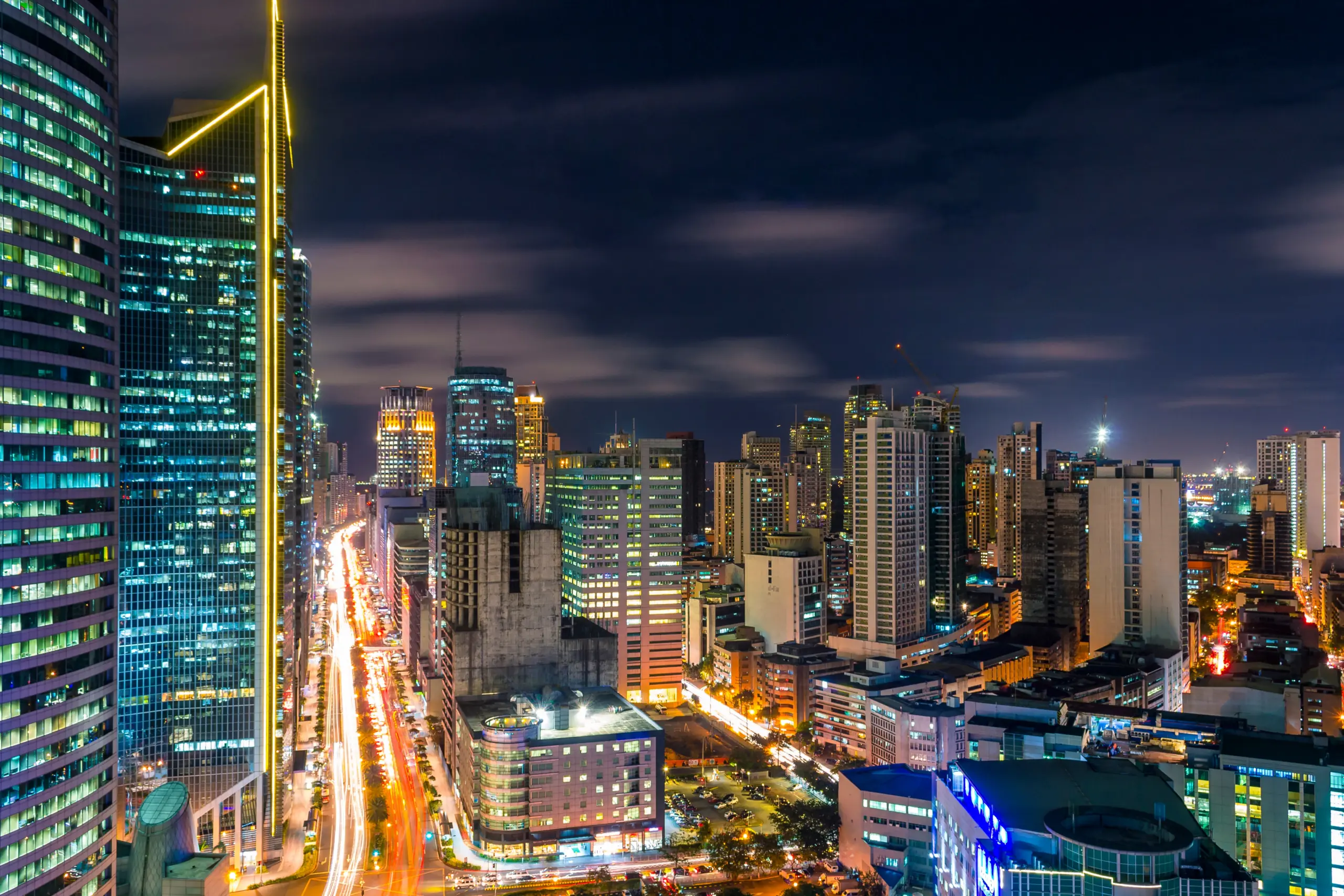
Investing in Condos: Is It Worth It?


Key Takeaways
Successful condo investing in the Philippines relies on the right choice of location, developer, and strategy. Today’s buyer-friendly market rewards selective investors who prioritize livability, rental demand, and accessibility.
- Prime locations attract stronger tenant demand
- Amenities and connectivity influence property value
- Budget for fees beyond monthly amortization
- Avoid saturated projects without clear differentiation
You work hard for your money, but keeping it in a savings account rarely beats inflation. You need those funds to work just as hard for you. While stocks, bonds, and even gold offer distinct advantages, they often lack the one thing many investors crave: tangibility. You can’t live inside a stock portfolio, and you certainly can’t rent out a bond.
Real estate stands apart. It’s an asset you can see, touch, and utilize. But in a rapidly urbanizing market like the Philippines, buying a house and lot isn’t always the most accessible entry point. This brings us to the most common question for aspiring property owners: Is a condo a good investment?
The short answer is yes—but with conditions. The landscape has shifted. Market values, rental demands, and interest rates look different today than they did five years ago. What worked in 2019 might not yield the same returns now. To determine if this asset class fits your portfolio, you need to look beyond the brochure and analyze the numbers, the risks, and the real-world utility of owning a condominium in the current economy.
The State of Condo Investing in the Philippines
If you’ve been following the headlines, you know the narrative has changed. The days of speculative frenzy are over, and the market has matured. As we settle into 2026, the local real estate sector is defined by a few distinct realities:
- It’s a Buyer’s Market: An inventory overhang in Metro Manila has shifted power back into your hands. Developers are competing for your attention, resulting in better payment terms and more flexible financing options.
- The Return-to-Office Effect: Work-from-home setups have evolved into hybrid models, bringing the workforce back to Central Business Districts (CBDs). Professionals are tired of the commute. They prioritize proximity to hubs like Makati, BGC, and Ortigas.
- Infrastructure is King: Units within walking distance of corporate centers (or those linked to the new subway and railway lines) are seeing faster appreciation than their perimeter counterparts.
However, not all properties perform equally. While premium segments in prime locations remain robust, mid-market units in fringe areas face stiffer competition.
Success in condo investing today requires being selective. You need a project that offers what modern tenants actually demand: legitimate co-working spaces, wellness facilities, and immediate connectivity to mass transit.

Cost Breakdown of Condo Investing: What You Need to Prepare
Before you commit to investing in a condo, you need a clear picture of the financial landscape. That goes beyond the monthly amortization and includes the “carrying costs” that determine your actual profitability.
Average prices in Metro Manila
While prices have stabilized compared to the post-pandemic spikes, prime locations still command a premium due to scarcity and high demand from the returning workforce. Here’s a 2026 snapshot of the current average price per square meter in Metro Manila’s key districts:
| Location | Average Price per SQM (₱) | Target Market |
| Makati CBD | ₱280,000 – ₱450,000 | Corporate Executives, Expat Tenants |
| BGC (Taguig) | ₱260,000 – ₱420,000 | Lifestyle-seekers, Young Professionals |
| Ortigas Center | ₱180,000 – ₱240,000 | BPO Managers, Start-up Entrepreneurs |
| Quezon City | ₱150,000 – ₱220,000 | Families, University Students |
| Bay Area (Pasay) | ₱220,000 – ₱300,000 | Casino Tourists, Investors |
Note: These figures are estimates based on H2 2025 and early 2026 market data. Actual prices may vary by developer, project tier, and specific micro-market conditions. Sources: Bamboo Routes, Colliers Philippines, Leechiu Property Consultants, KMC Savills.
Recurring fees and hidden costs
The purchase price is just the entry fee. To calculate a realistic Return on Investment (ROI), you must factor in the ongoing expenses that eat into your rental income.
Association dues
These are mandatory monthly fees used to maintain common areas (gyms, pools, elevators). In Metro Manila, expect to pay anywhere from ₱90 to ₱180 per square meter. For a 40sqm unit, that’s an additional ₱3,600 to ₱7,200 monthly, whether the unit is tenanted or vacant.
Closing costs
Beyond the unit price, budget for transaction fees. Standard buyer-side costs typically total 3% to 6% of the property value (covering Documentary Stamp Tax at 1.5%, Transfer Tax, and Registration Fees).
Real Property Tax (RPT)
Also known as amilyar, this is an annual tax paid to the local government. In Metro Manila, the rate is generally 1% to 2% of the Assessed Value (plus an additional 1% for the Special Education Fund).

Why Invest in Condo Properties? Key Advantages
While the costs are tangible, so are the returns—provided you buy into the right development. In 2026, the argument for owning a condo is about acquiring an asset that adapts to the modern urban lifestyle.
Here’s why a condo for investment remains a top strategy for building equity in the Philippines:
1. Unmatched accessibility (“15-minute city” advantage)
The biggest currency in Metro Manila is time. Unlike traditional house-and-lot developments often located in the suburbs, condos are strategically positioned in high-density zones.
Today, among the most valuable properties are Transit-Oriented Developments (TODs). These are projects linked directly to major infrastructure like the Metro Manila Subway or the North-South Commuter Railway. When you invest in condo units near these hubs, you’re essentially buying connectivity. Tenants are willing to pay a premium to live within walking distance of their office, favorite mall, and transport link.
2. Amenities that drive lifestyle
A swimming pool is no longer enough. The new standard for a lucrative condo investment includes “lifestyle enablers”:
- Co-working Spaces: With hybrid work here to stay, professional-grade workspaces within the building are a non-negotiable for many renters.
- Wellness Centers: Dedicated yoga studios, jogging paths, and fitness gyms save tenants the cost of external memberships.
- Smart Security: Keyless entry and app-based property management appeal to the tech-savvy demographic.
3. Lock-and-leave convenience
One of the strongest selling points of a condo is the low-maintenance lifestyle. You don’t need to worry about fixing the roof, trimming the lawn, or hiring security guards. The Property Management Office (PMO) handles the heavy lifting. This makes it an ideal asset for Overseas Filipino Workers (OFWs) or busy professionals who want real estate exposure without the headache of daily upkeep.
4. Competitive rental yields
Despite market corrections, the Philippines continues to offer some of the most attractive rental yields in Southeast Asia.
- Gross Rental Yields: In prime CBDs, yields typically range from 5.23% to 5.77%, significantly higher than the 2-3% often seen in developed markets like Singapore or Hong Kong.
- Liquidity: Condos are generally easier to rent out or resell compared to expensive house-and-lot properties, giving you better exit options if you need to liquidate your capital.
Key Challenges to Consider When Investing in a Condo
No investment is without risk. While the upside of a condo investment in the Philippines is clear, the current market has specific pitfalls that every buyer must navigate. Ignoring these realities is where most first-time investors go wrong.
1. Market saturation and inventory overhang
The “Build, Build, Build” era led to a massive supply boom. Today, Metro Manila is grappling with an inventory overhang, particularly in the mid-market segment. Recent reports projected that vacancy rates in some districts will hit 25-26% coming into 2026, driven by a surplus of “cookie-cutter” units that lack differentiation.
- Risk: If you buy a generic unit in a saturated area (like parts of the Bay Area or the fringes of Mandaluyong) without a clear competitive advantage, you may face long vacancy periods or be forced to lower your rent to compete.
- Solution: Focus on scarcity. Choose developments with unique selling propositions, such as direct mall access, low-density floors, or internationally branded designs, that protect your asset from commoditization.
2. Space limitations vs. modern demands
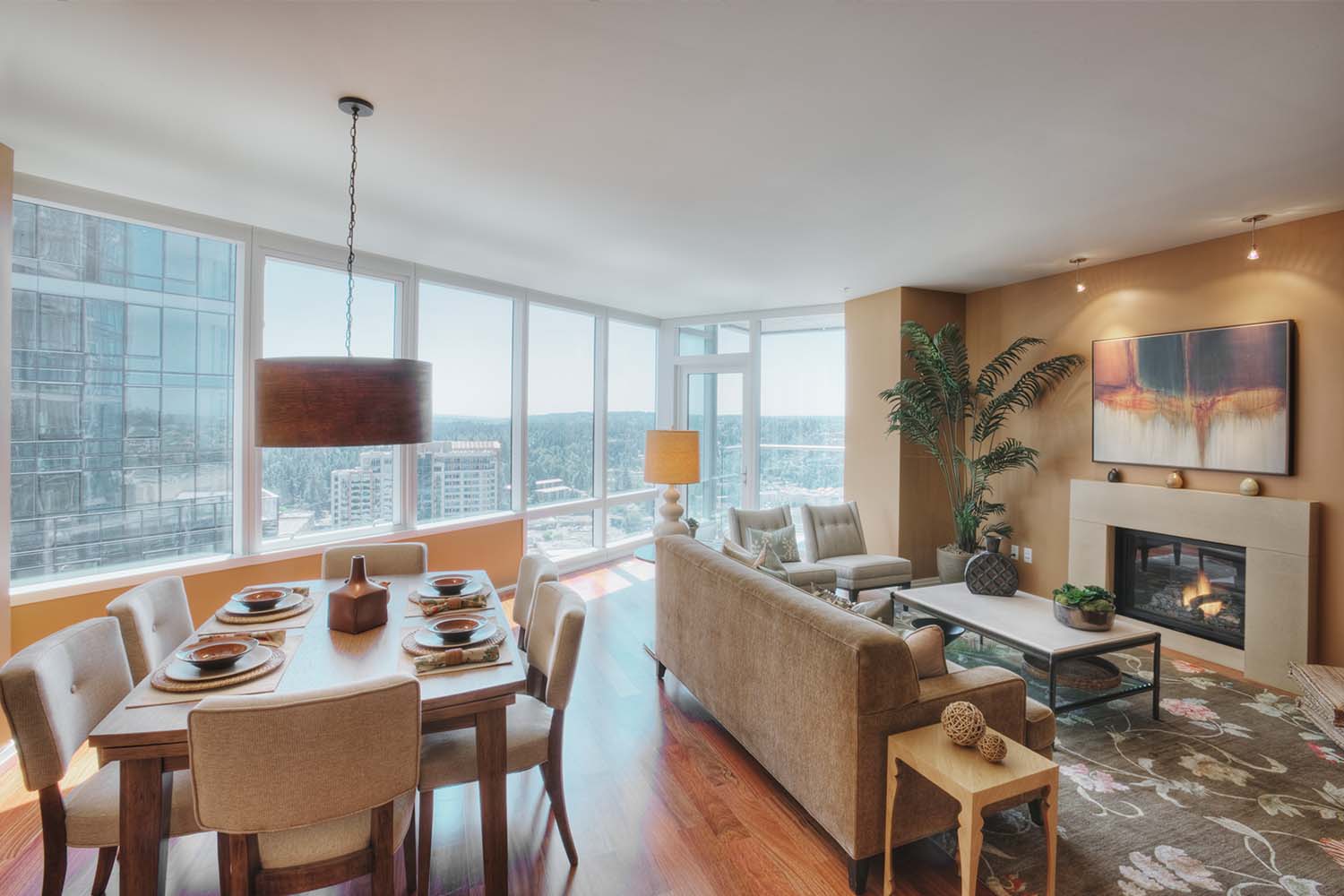
The definition of “livable space” has changed. The 18-square-meter studio that was popular in 2018 is harder to move in 2026. Residents now expect flexible living spaces that support their daily routines, whether that is a home office, a nursery, a comfortable dining area, or improved air circulation.
While interior design and modular furniture are often necessary to make smaller units appealing, you can bypass this challenge by choosing the right property.
Real estate developers like Federal Land intentionally design larger unit layouts with generous cuts, ensuring your investment naturally accommodates modern lifestyle demands without the need for extensive, costly fit-outs.
3. Privacy trade-offs
Condo living is communal by design. You share walls, ceilings, and floors with neighbors. In high-density towers, noise can be a friction point, whether it’s footsteps from the unit above or hallway chatter.
However, not all condos are built the same. Premium developments invest in thicker shear walls and acoustic insulation. When touring a property, ask specifically about the soundproofing measures and the number of units per floor.
4. The pre-selling risk factor
Buying a pre-selling unit (a property still under construction) locks in a lower price, but it carries delivery risk. In the current economic climate, some smaller developers have faced liquidity issues, leading to project delays or, in rare cases, cancellations.
Your best hedge against this is developer reputation. An established real estate company in the Philippines with decades of track record is far more likely to deliver on time and with the promised quality than new, unproven players.
How to Generate ROI: Four Strategies for Your Condo Investment
To make the numbers work, you need a clear game plan for how your asset will generate cash flow. Here are specific strategies you can implement.
1. Long-term rental (passive income)
This is the most stable route for condo investing. By leasing your unit for 12 months or longer, you secure consistent income and reduce the “vacancy costs” (like paying association dues while the unit sits empty).
- Best for: Investors who want a “hands-off” asset.
- Strategy: Target corporate expats or students. These tenants often stay for years. Furnishing the unit with durable, neutral pieces increases your chances of attracting these high-quality renters.
2. Short-term “staycation” model (high yield)
With the tourism and “staycation” sectors fully recovered, listing units on platforms like Airbnb or Agoda can generate significantly higher gross income than long-term rentals, sometimes double the monthly rate.
- Best for: Investors with the time to manage guests (or those willing to hire a property manager).
- Trade-off: This requires active management (cleaning, check-ins) and higher maintenance costs due to wear and tear.
3. Strategic resale (capital appreciation)
While “flipping” (buying and selling quickly) was popular in the past, the current tax structure makes it riskier today.
The better strategy now is “Buy and Hold.” Purchase pre-selling units at the introductory price, wait for the infrastructure in the area (like a new subway station) to complete, and then resell. This allows you to capture the maximum value appreciation, often realized over a cycle of 3 to 5 years.
4. Rent out the parking slot
Never underestimate the value of a parking space. In CBDs like Makati or BGC, parking ratios are low (sometimes one slot for every two or three units).
Even if you don’t use it, a parking slot is a separate asset that can be rented out for ₱5,000 to ₱8,000 monthly to other residents in the building, providing a steady, low-maintenance income stream.
The Verdict: Is a Condo a Good Investment in the Philippines?
There will always be pros and cons to weigh in any real estate deal. But if we look at the numbers: stabilized interest rates, a recovering rental market, and the massive infrastructure boom—the simple answer is yes.
Favorable market conditions are only half the equation; the other half is ensuring the asset itself can withstand the test of time.
The developer you choose dictates your property’s lifespan. A bargain unit from a questionable builder becomes a liability in ten years, while a quality development from a trusted brand retains its value for decades.

Building on Solid Ground
If you’re looking for a property that offers both immediate livability and long-term value retention, you need a partner with a proven track record.
With a legacy spanning over half a century, Federal Land creates properties built to last. From the skyline of BGC to the strategic corridors of Ortigas and Pasay, these developments are designed to withstand market volatility. As a premier real estate company in the Philippines, we combine modern innovation with thoughtful Filipino sensibility, ensuring your investment secures your future.
Ready to find an investment that works as hard as you do? Contact our team today to explore pre-selling and ready-for-occupancy opportunities.
Condo Investing FAQs
What is a condominium, and how long do they usually last?
A condominium or “condo” is a residential building where individuals own separate units while sharing amenities like lobbies, parking, pools, and gyms. Condos don’t automatically “expire,” even after 50 years. Their lifespan depends on maintenance and build quality. Well-managed developments from reputable developers can remain safe, livable, and valuable for decades.
How much does a condo cost in Metro Manila?
Condo prices vary by area and project type. Prime CBDs like Makati and BGC command higher rates, while Quezon City and Ortigas offer more accessible options. Beyond the unit price, buyers should budget for association dues, closing costs, and annual property taxes.
What are the main costs of owning a condo?
Aside from monthly amortization, expect association dues, real property tax, and one-time closing fees. These recurring expenses affect your actual returns, so factor them into your investment plan before buying, even if the unit isn’t rented out yet.
What makes a condo attractive to renters today?
Tenants prioritize location, accessibility, and lifestyle amenities. Proximity to business districts, transit links, and everyday conveniences matters, along with features like co-working spaces, gyms, and smart security. Units that support hybrid work tend to lease faster.
What are the biggest risks of condo investing?
Oversupply in some districts can lead to vacancies or lower rents. Smaller units may struggle to meet modern living needs, and pre-selling projects carry delivery risk. Choosing reputable developers and differentiated developments helps protect your investment.

Head of Corporate Communications
Gizelle is a marketing and communications professional with extensive experience in the real estate industry, specializing in brand strategy, marketing communications, corporate communications, and integrated campaigns. She has built her career working across brand development, strategic communications, public relations, systems development, and marketing, with experience spanning both corporate and consumer-facing initiatives.
At Federal Land, Gizelle leads the Corporate Communications Department handling the company’s diverse portfolio, helping shape the narratives and experiences behind some of its most notable developments.
linkedinINQUIRE NOW
Let us know what you are looking for. Get updated portfolio delivered straight to your inbox.