

Ultimate Guide to Buying a Home or Condo in the Philippines

Key Takeaways
Buying a condo in the Philippines involves a thorough process—from research and reservation to payment and title transfer—that legally secures your ownership.
- Research developers – Check reputation, location, and project quality.
- Reserve your unit – Secure your chosen unit with a reservation fee.
- Review documents – Understand the contract, payment terms, and developer obligations.
- Transfer ownership – Complete payment and register the property under your name.
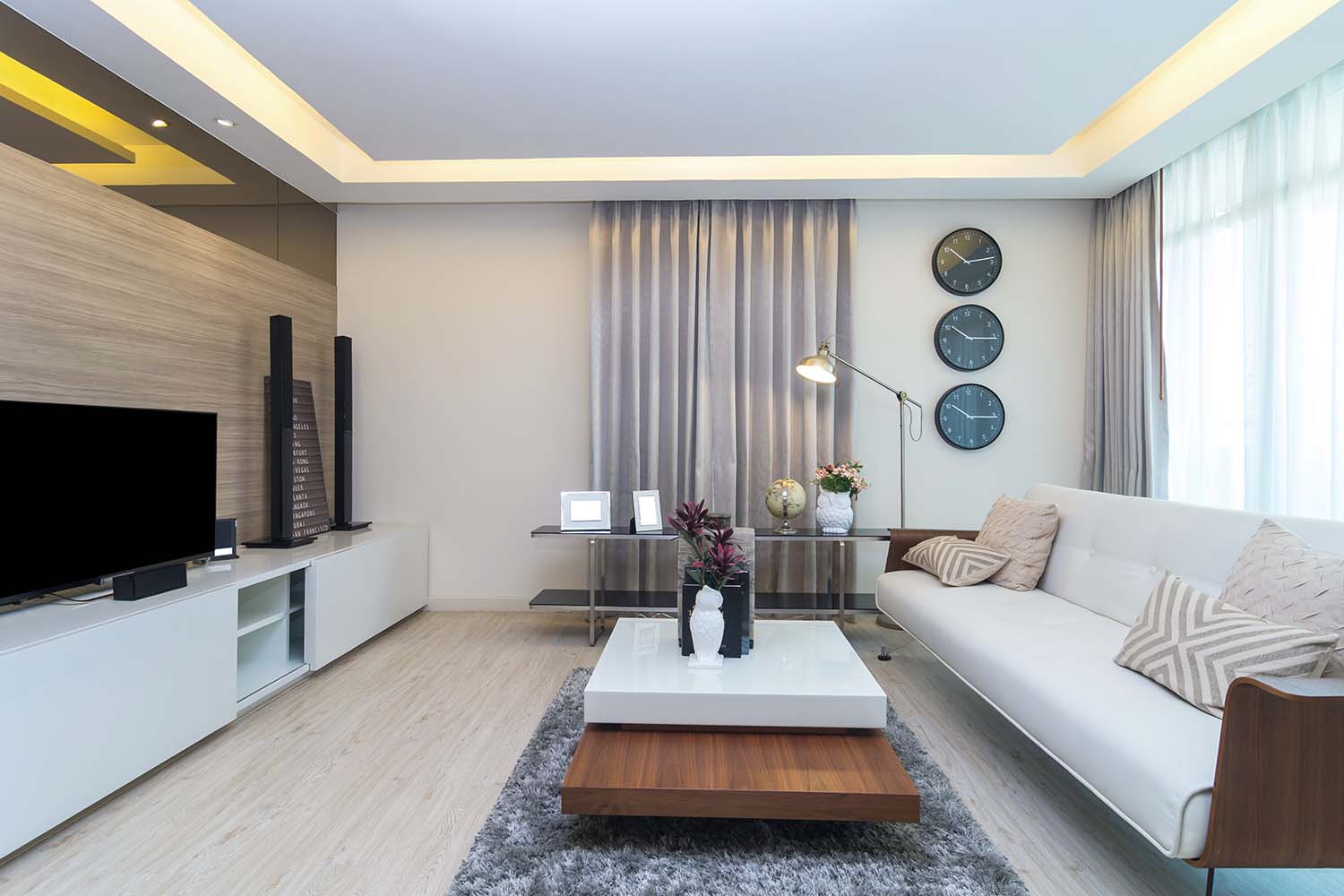
Owning a home or condo in the Philippines is all about balancing comfort, security, and investment value. Condos offer low-maintenance living with access to gyms, pools, and lounges, while gated subdivisions provide privacy and safety.
For many Filipinos and expatriates, property ownership is also a path to financial growth, as real estate values continue to rise across key urban areas.
This guide walks you through the essential steps to buying a home or condo in the Philippines, so you can make informed, confident decisions before securing your ideal property.
Key Steps to Buying a Condo or Home in the Philippines
Whether you plan to live in the unit or treat it as an investment, these steps help ensure a secure and legitimate real estate purchase.
1. Choose a reputable developer or property
Research the developer’s reputation, financial standing, and project track record. Established companies such as Federal Land have clear project timelines and proper documentation, helping you avoid future ownership issues.
- Check if the property has a License to Sell (LTS) from the Department of Human Settlements and Urban Development (DHSUD) (formerly Housing and Land Use Regulatory Board).
- Visit model units or project sites to verify build quality.
2. Reserve your unit
Once you’ve chosen a property, you can pay the reservation fee to secure your preferred unit partially. In the meantime, you can prepare the required documents.
Remember to keep your receipt and reservation form, as you’ll need them for the next steps. Also, review the reservation terms to confirm refund policies.
3. Secure a letter of intent or reservation agreement
This document formalizes your intent to purchase and outlines preliminary terms such as the payment scheme and timeline. It serves as a foundation for drafting the Contract to Sell. Always ensure that details match your discussions with the developer.
4. Review and sign the contract to sell
The contract to sell is a binding agreement defining your payment schedule, property details, and developer obligations. Read every clause carefully before signing. Additionally, seek legal assistance if any term seems unclear, and confirm the handover and completion timeline.
5. Determine your financing options
You can use any of the following financing methods when buying a condo in the Philippines or a house:
- Spot cash payment is ideal if you can pay the full amount upfront; developers often give discounts.
- Bank loans provide flexible payment terms and lower interest rates, subject to credit approval.
- In-house financing is offered by developers and usually comes with simpler requirements but higher interest rates.
- Pag-IBIG financing is for eligible members seeking long-term, affordable housing loans.
Note for expatriates: You may need to present a valid visa, proof of income, and additional documentation depending on the property type and bank policy.
6. Complete payment and required documentation
After paying, the developer will prepare the Deed of Absolute Sale—a document transferring ownership rights to you. Ensure your payments are properly receipted and recorded, and keep copies of all documents for your records.
7. Transfer ownership and file the necessary documents
Register the property under your name at the Registry of Deeds. You’ll also need to pay applicable taxes and fees during this step. Required documents include:
- The Deed of Absolute Sale
- Tax declarations
- Proof of payment for transfer taxes.
The title and tax records should reflect your name once the process is complete.
Important Considerations Before Buying a Condo or Home in the Philippines
Before finalizing your purchase, it’s essential to weigh the following factors that affect long-term satisfaction and investment potential.
Location
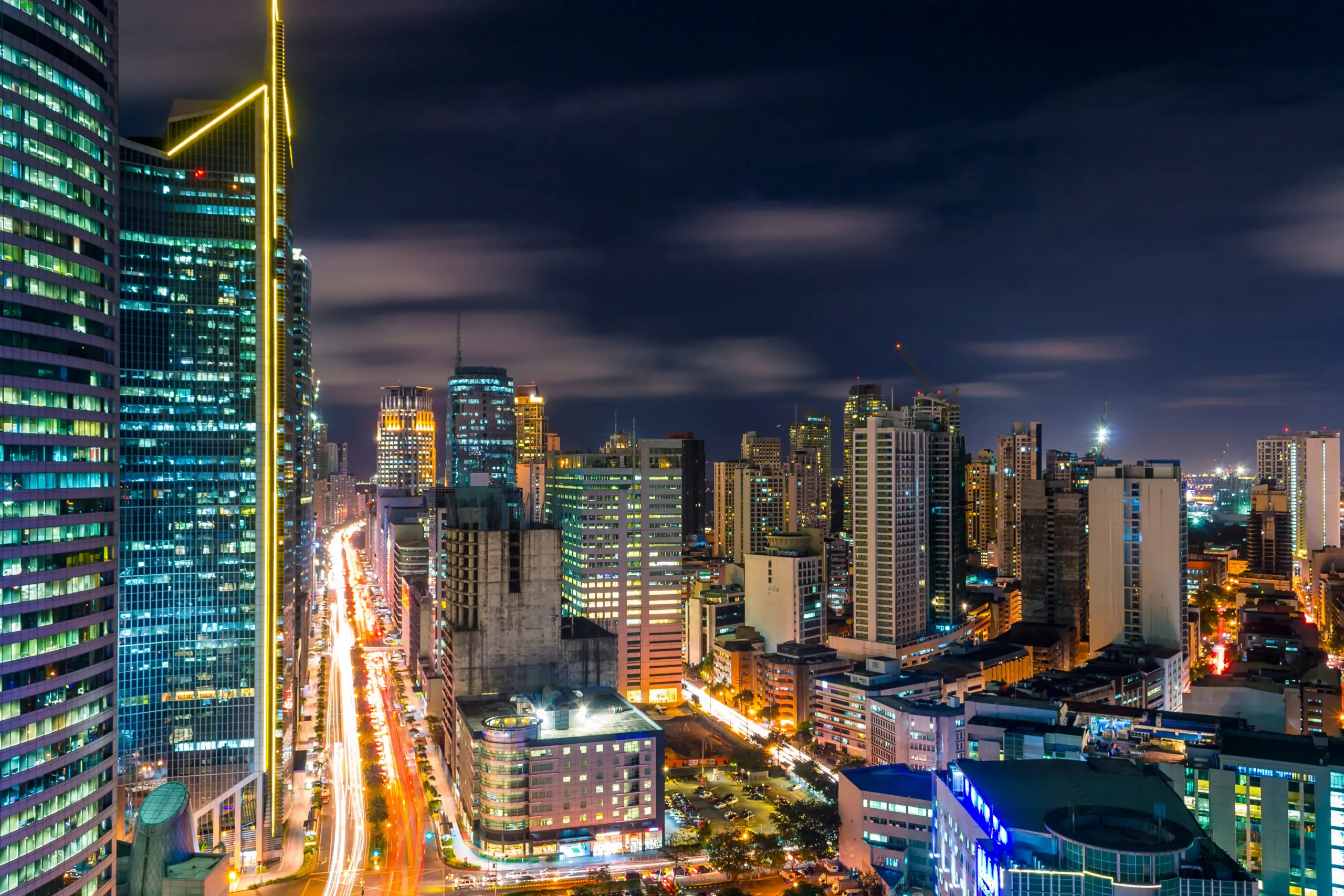
Proximity to business districts, schools, and transport hubs adds daily convenience and enhances resale value. In Metro Manila, areas like BGC, Makati, and Pasay remain prime spots due to accessibility and development growth.
Unit type and size
Studio, one-bedroom, and two-bedroom units cater to different needs. Young professionals may prefer studios for affordability, while families may choose larger spaces with separate living areas.
Accessibility and mobility features
Check if the building or village provides elevators, ramps, or wide hallways for more effortless movement. They’re beneficial for elderly residents or people with disabilities.
Security and safety
Look for 24-hour security, CCTV monitoring, and well-maintained emergency systems. Properties with professional management often feel safer to live in.
Community and lifestyle fit
Consider the neighborhood’s atmosphere. Some communities offer quiet, family-oriented environments, while others emphasize social or active lifestyles through shared amenities.
Costs
Evaluate total ownership costs beyond the unit price. Include monthly dues, parking fees, and expected maintenance expenses in your budgeting plan.
Fees and Costs to Know When Buying a Condo or Home in the Philippines
Aside from the purchase price, you’ll encounter several mandatory fees and recurring payments. Knowing them in advance helps you plan your finances responsibly.
One-time fees:
- Capital Gains Tax – Typically 6% of the selling price or zonal value, whichever is higher. The seller usually pays this fee, though some agreements may pass it to the buyer.
- Documentary Stamp Tax – Equivalent to 1.5% of the selling price, zonal value, or fair market value, whichever is higher.
- Transfer Tax – Around 0.5–0.75% of the selling price, depending on the city or municipality.
- Notary Fees – Covers the notarization of contracts and legal documents; generally around 0.1–0.5% of the property value.
Recurring fees:
- Association Dues – Monthly fees for building upkeep, administration, and security. Amounts vary by building or association.
- Amenity Fees – Fees for the use and maintenance of shared facilities like gyms, pools, or clubhouses. In some condos, this fee may be included in association dues.
- Property Taxes – Paid annually to the local government based on the assessed value of your property, usually 1–2% depending on location.
Your Forever Home
Buying a condo or house in the Philippines requires preparation, awareness, and reliable guidance. Knowing the steps, costs, and financing options makes the process smoother and helps you secure your investment.
If you’re ready to move in, explore RFO condos for sale by Federal Land. Their projects combine strategic locations, modern design, and professional management for a seamless homeownership experience.
Contact us today to learn more about available listings that match your lifestyle and goals.
FAQs
1. Why should I consider owning a condo for sale in the Philippines?
It offers convenience, security, and modern amenities in prime city locations. It’s also ideal for professionals, families, or retirees seeking comfort and long-term value.
2. What are the main steps to buying a condo?
Select a trusted developer, reserve your unit, secure financing, and complete the sale through the Deed of Absolute Sale.
3. What financing options are available?
You can pay in cash or apply for a bank, in-house, or Pag-IBIG loan. Choose based on your budget and repayment ability.
4. What fees should I expect when buying a condo?
Prepare for one-time costs like taxes and legal fees, and recurring dues for maintenance and amenities.
5. How do I choose the right condo?
Consider the location, developer’s reputation, and available facilities. Visit the property if possible to assess its condition.
6. How can I make my purchase stress-free and secure?
Work with credible developers, double-check legal documents, and consult a real estate lawyer before signing any agreement. This way, you avoid disputes and protect your investment.

Head of Corporate Communications
Gizelle is a marketing and communications professional with extensive experience in the real estate industry, specializing in brand strategy, marketing communications, corporate communications, and integrated campaigns. She has built her career working across brand development, strategic communications, public relations, systems development, and marketing, with experience spanning both corporate and consumer-facing initiatives.
At Federal Land, Gizelle leads the Corporate Communications Department handling the company’s diverse portfolio, helping shape the narratives and experiences behind some of its most notable developments.
linkedinINQUIRE NOW
Let us know what you are looking for. Get updated portfolio delivered straight to your inbox.